

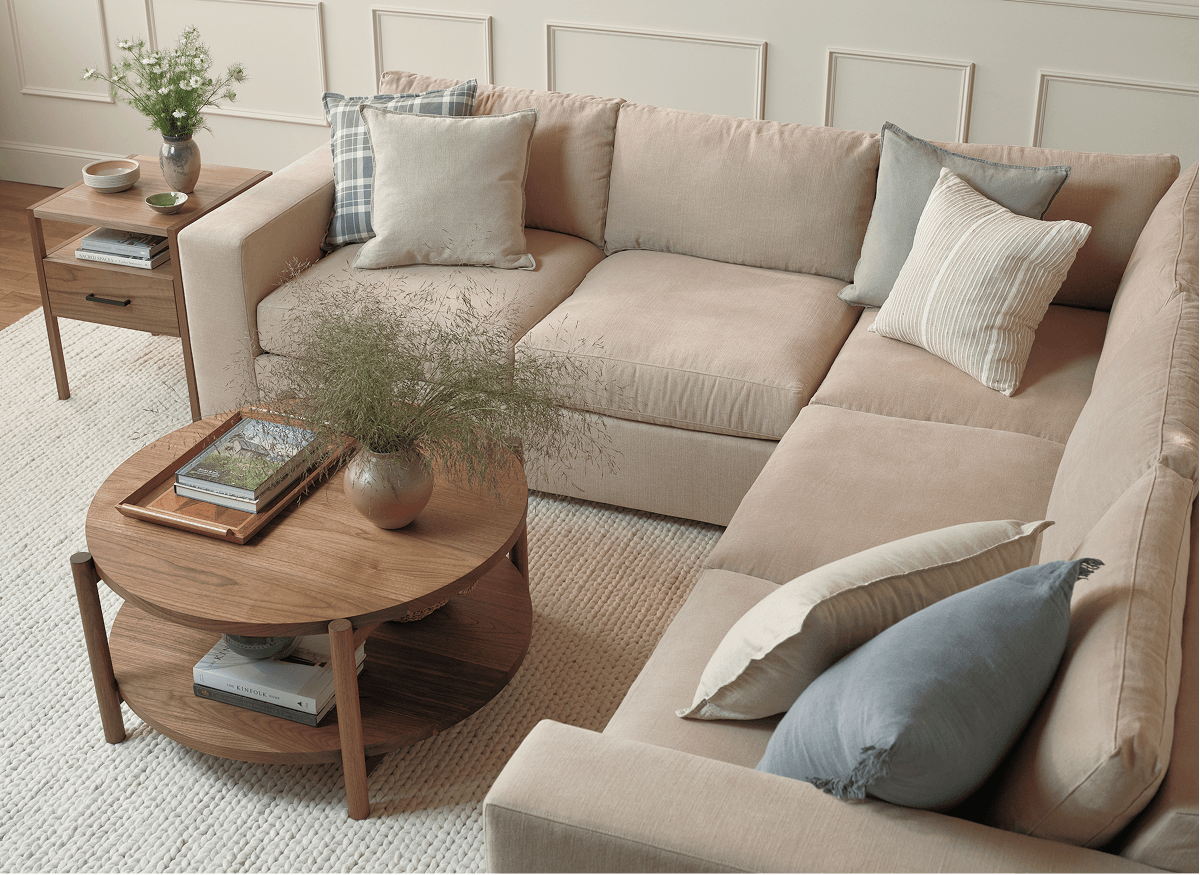
Choosing a sectional for your living room is a big decision, and with the amount of descriptors and marketing terms out there, it can feel difficult to feel like you’re making the right decision for your home. Chaise, bumper, corner, modular, pit: sometimes, it sounds like another language! This condensed guide breaks down every major sectional style, who it’s best suited for, and good-to-know details about space, comfort, and materials.
Why choose a sectional?
Moving to a larger space? Adding members to the family? Simply want more room to lounge? Every sectional starts with a similar idea: more seating, made for how you actually like to live. The differences in sectionals come down to the shape, the amount of room you’d like, and how you prefer to get comfortable.
Types of Sectionals

Chaise Sectionals
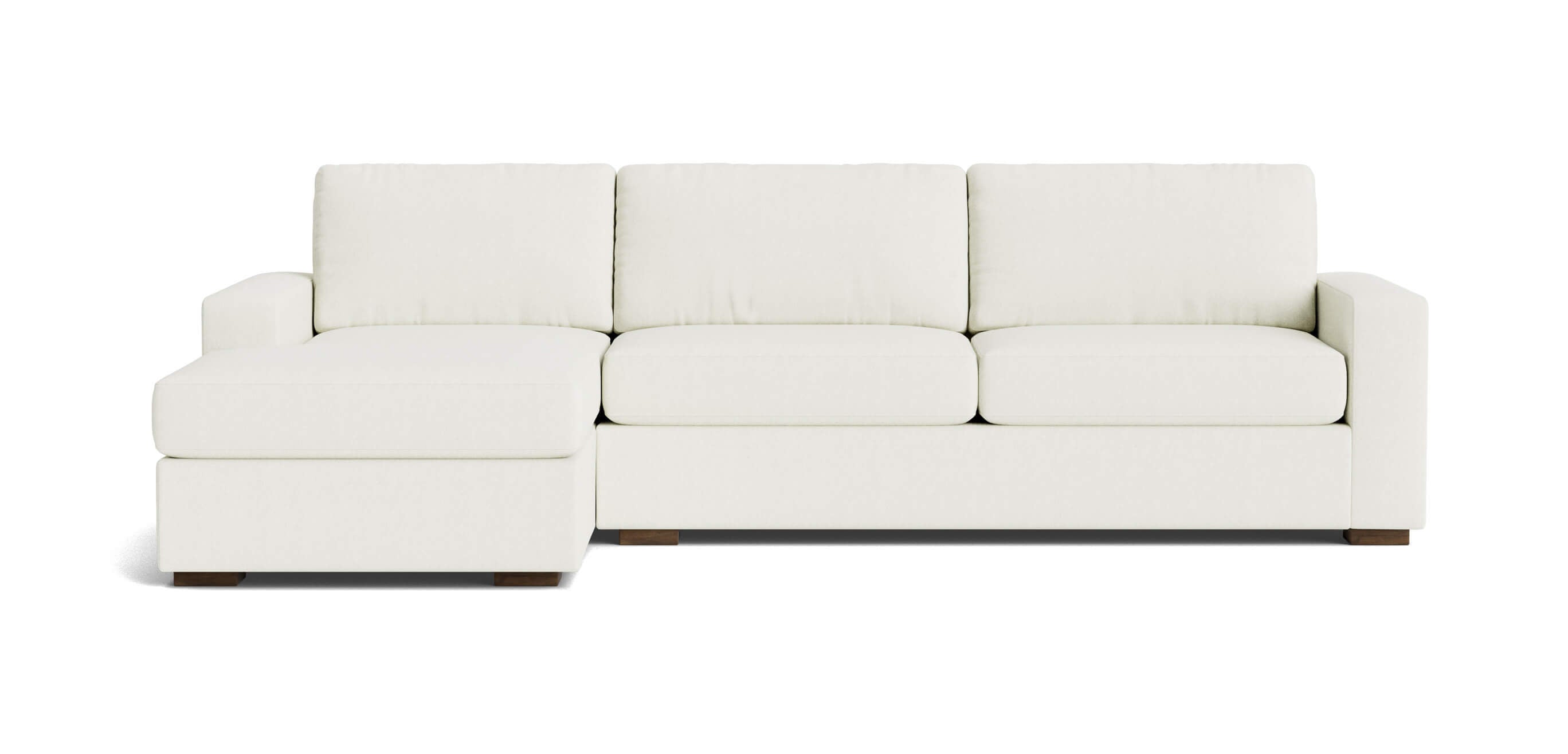
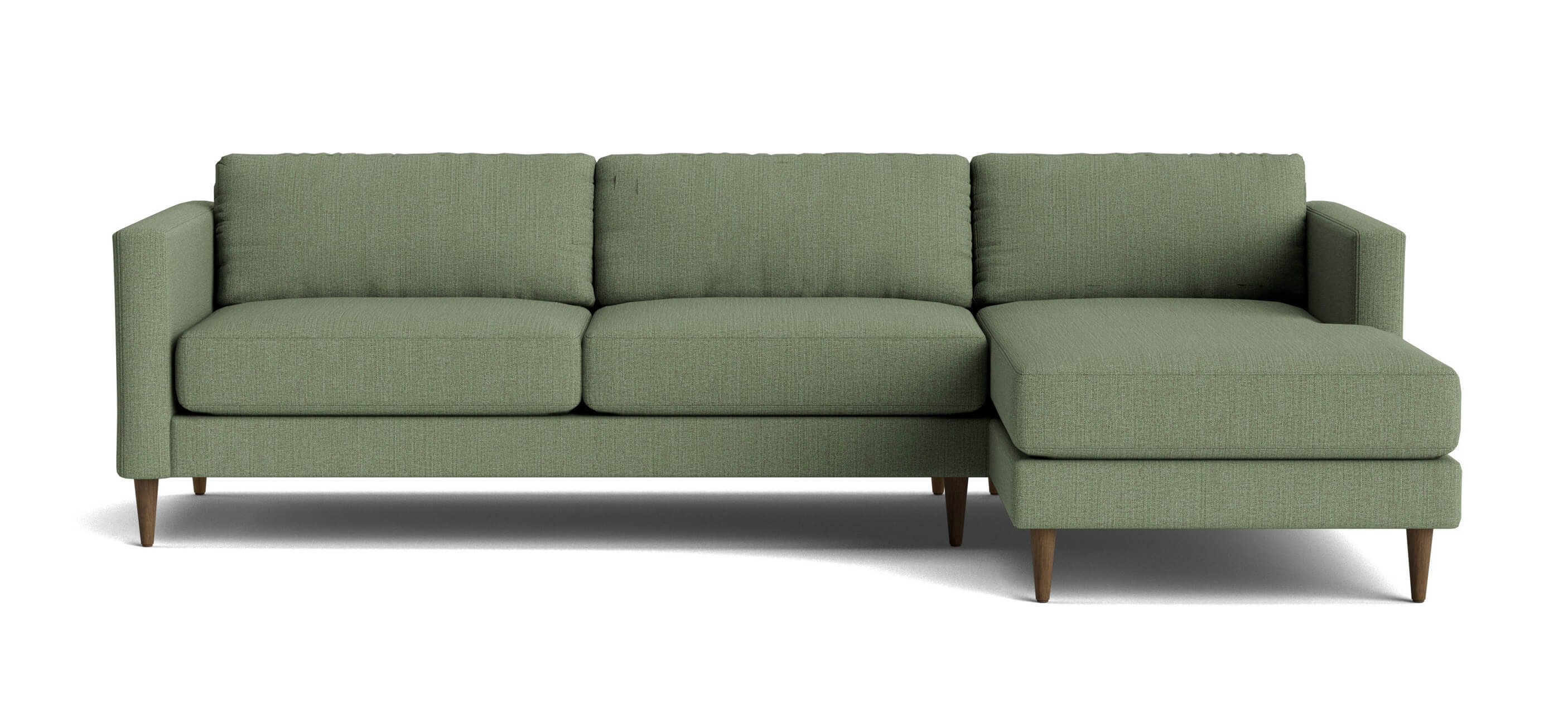
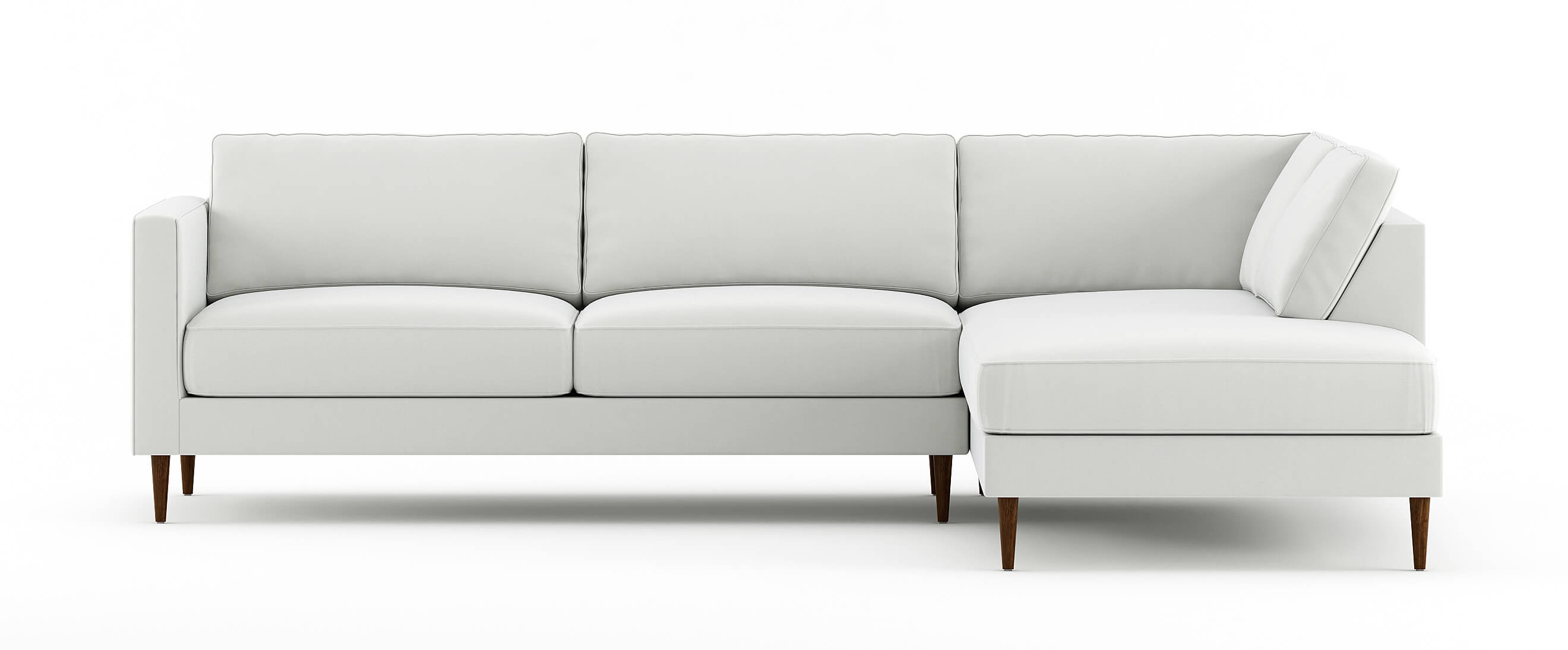
If you love to lounge, a chaise sectional is the layout to consider first. A chaise sectional is a standard sofa, with one end cushion extended out into a longer, stretch-ready chaise, giving you room to extend your legs without reaching for an ottoman (or the coffee table). A chaise sectional turns a sofa into a place designed for reading, movie marathons, or a really good afternoon nap.
Best for: Anyone who prioritizes lounging, and rooms where the centerpiece is also the central spot to unwind.
Good to know: Check your walkways before committing to a chaise sectional. The chaise can extend far, depending on the model and the size of your room. Take care when choosing between a chaise on the left side vs. the right side of the piece, as the extension will change how your whole space flows.

Bumper Sectionals
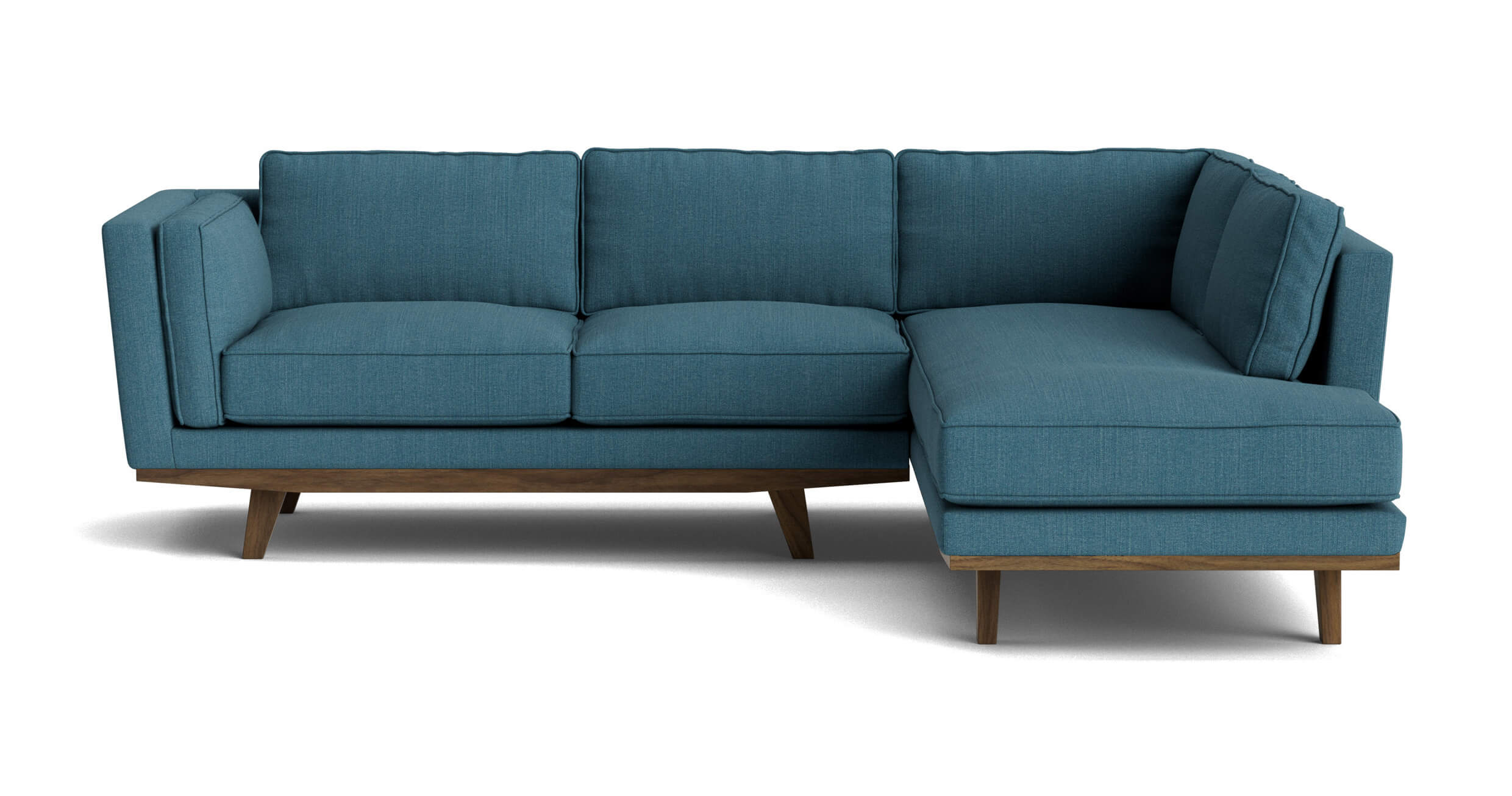
A bumper sectional can look quite similar to a chaise sectional, depending on the brand, but it’s functionally more similar to a corner or L-shaped sectional. Instead of a longer extension meant for one person to fully lounge, this neat configuration features a wrap-around back rest, which creates extra usable seating while still leaving the option to stretch out if desired.
If your sectional’s primary purpose is for stretching out, go with a chaise sectional. If your sectional will equally be used for hosting and facilitating conversation, a bumper sectional could be a better option for you.
Best for: If your sectional’s primary purpose is for stretching out, go with a chaise sectional. If your sectional will equally be used for hosting and facilitating conversation, a bumper sectional could be a better option for you.
Good to know: If you’re taller and love fully reclining, measure out both lengths before committing.

Corner Sectionals
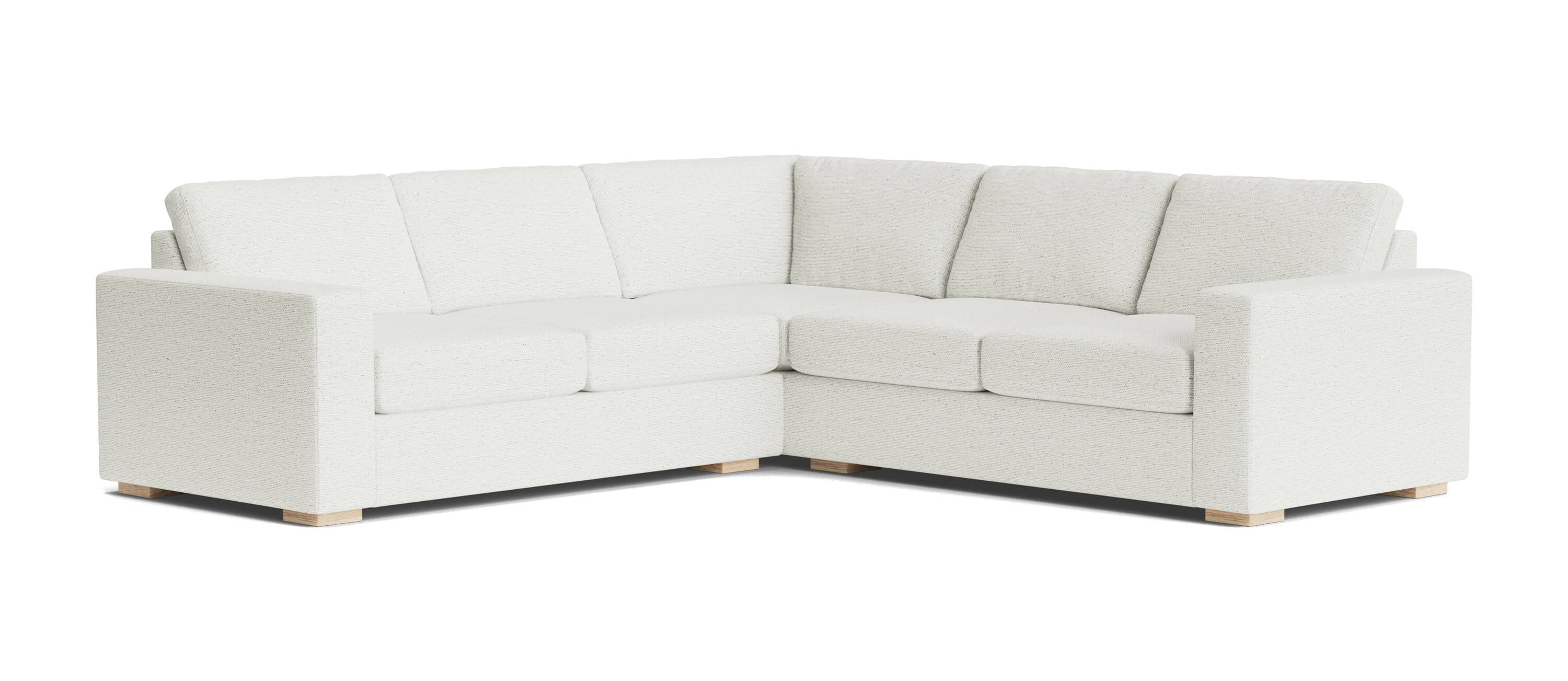
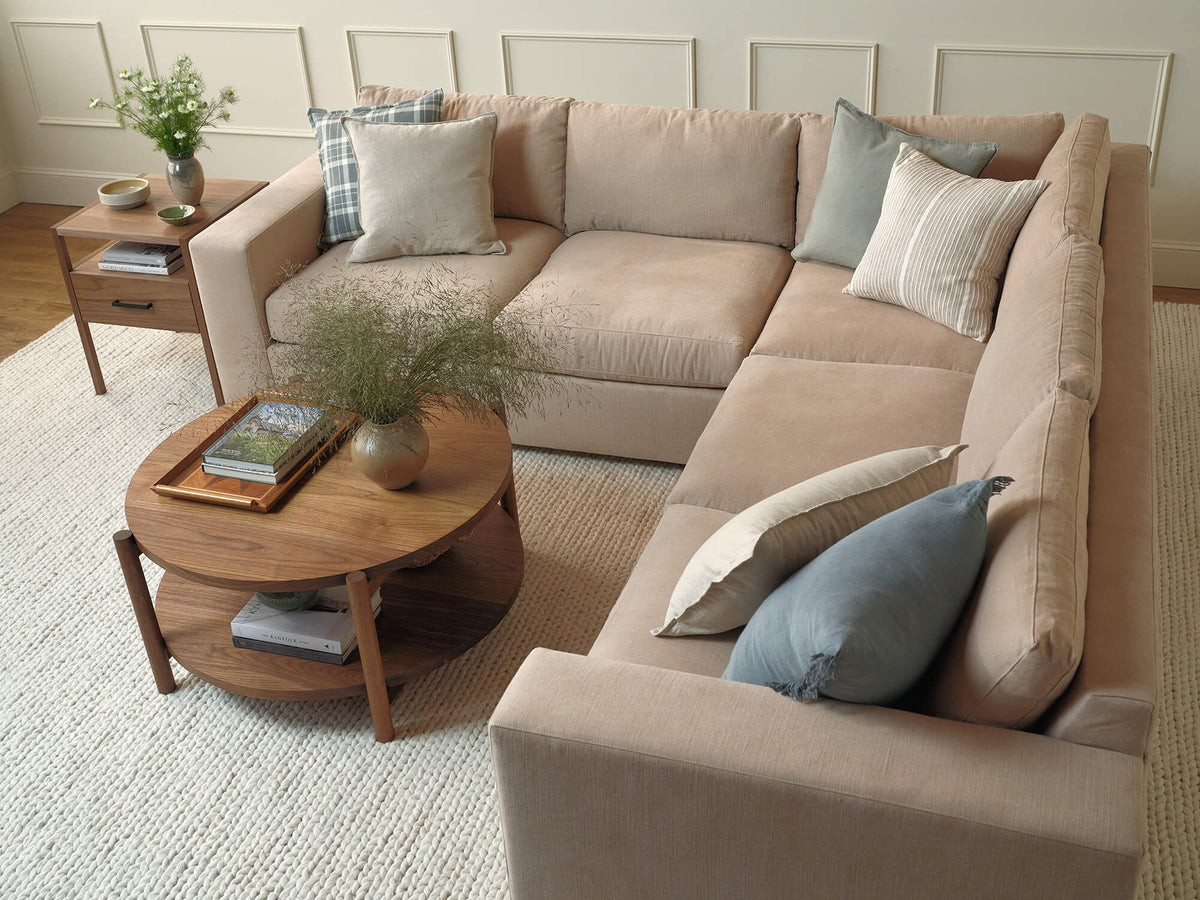
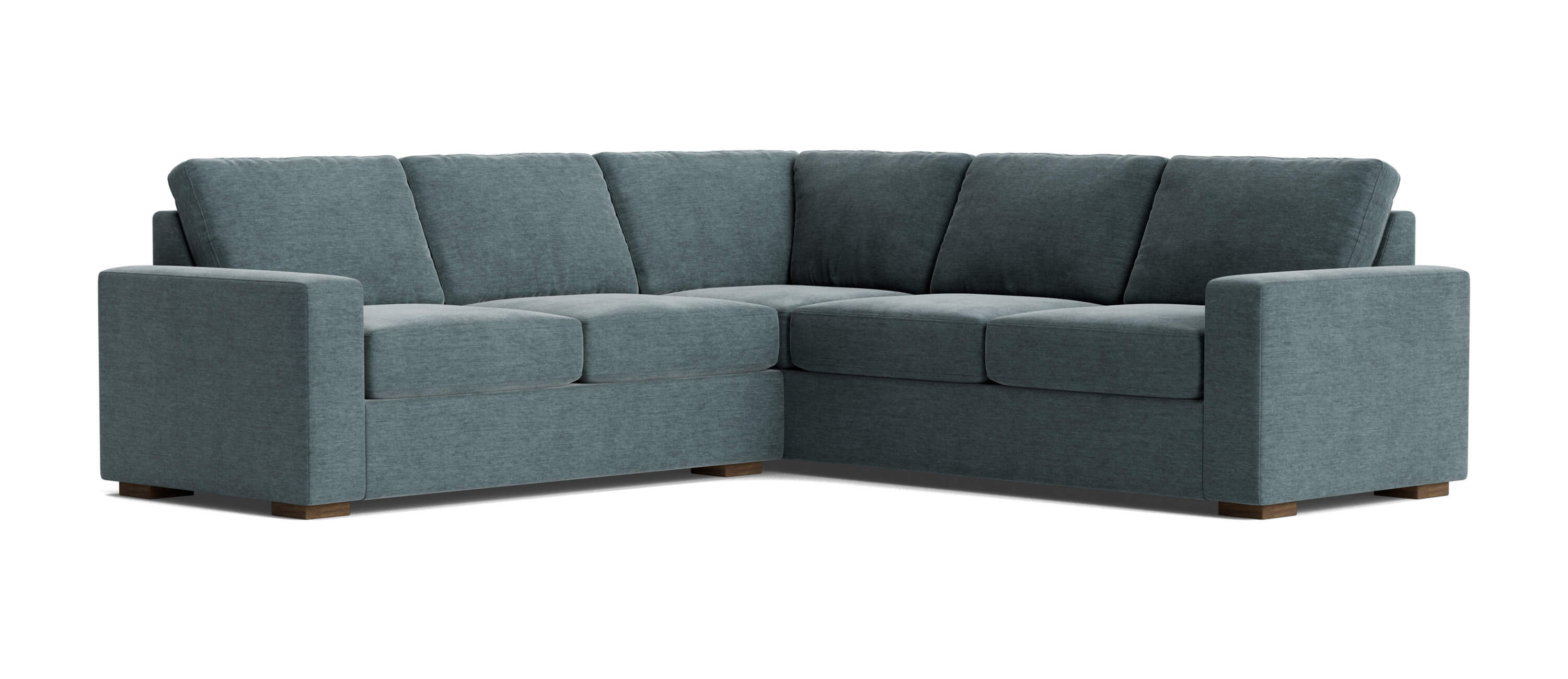
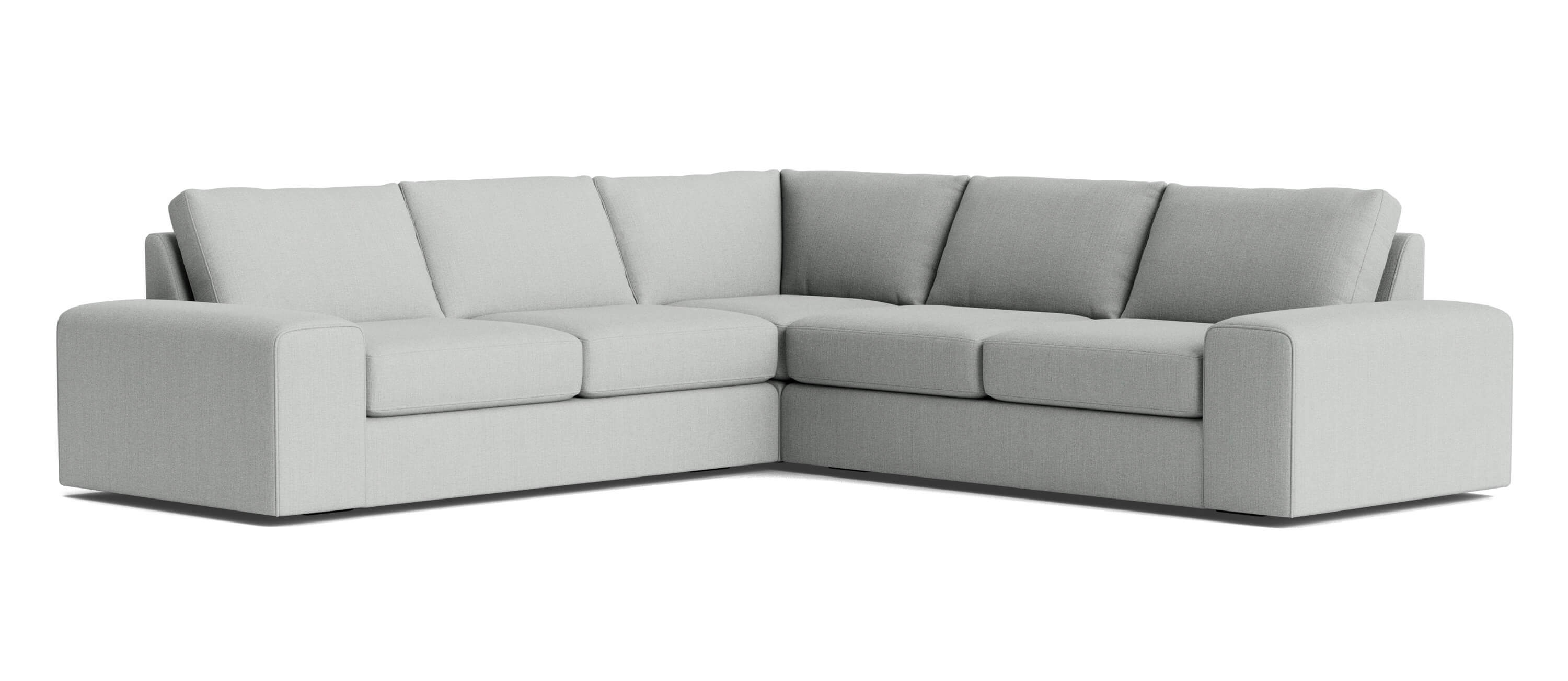
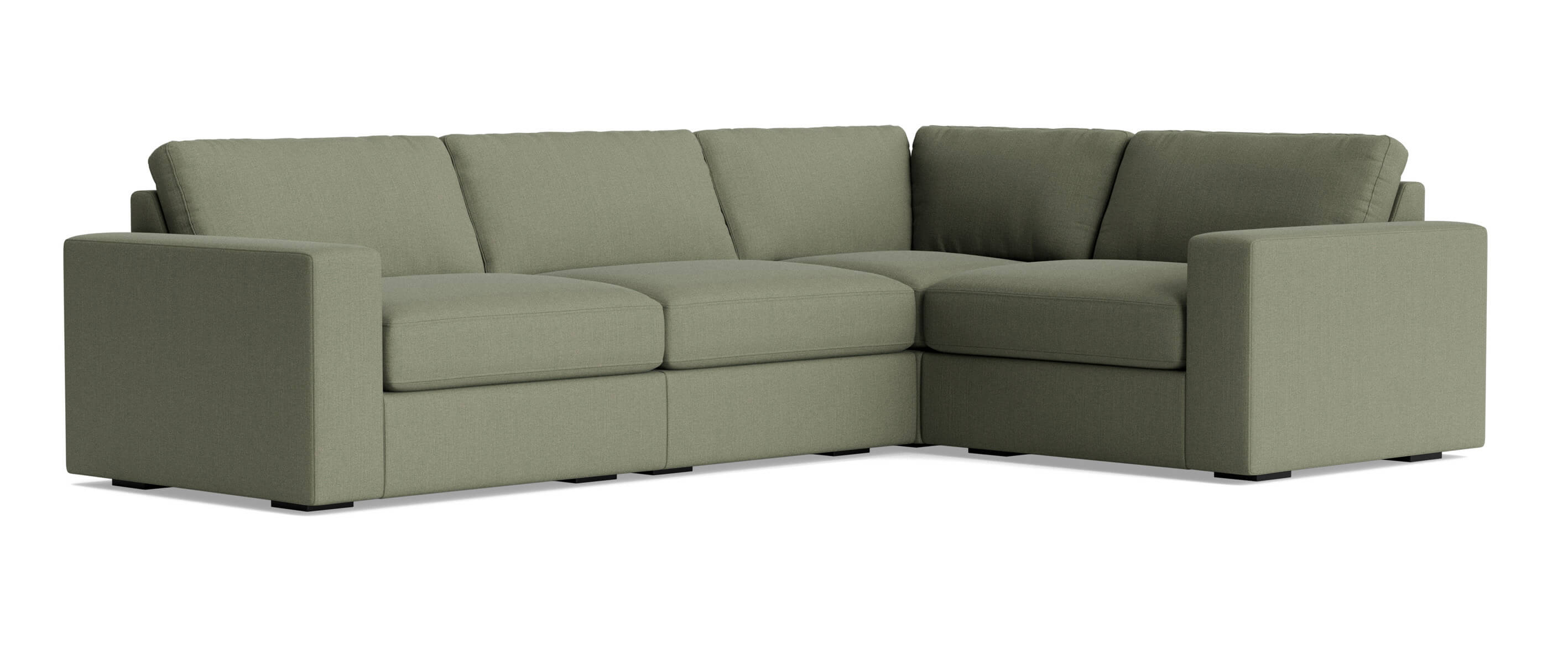
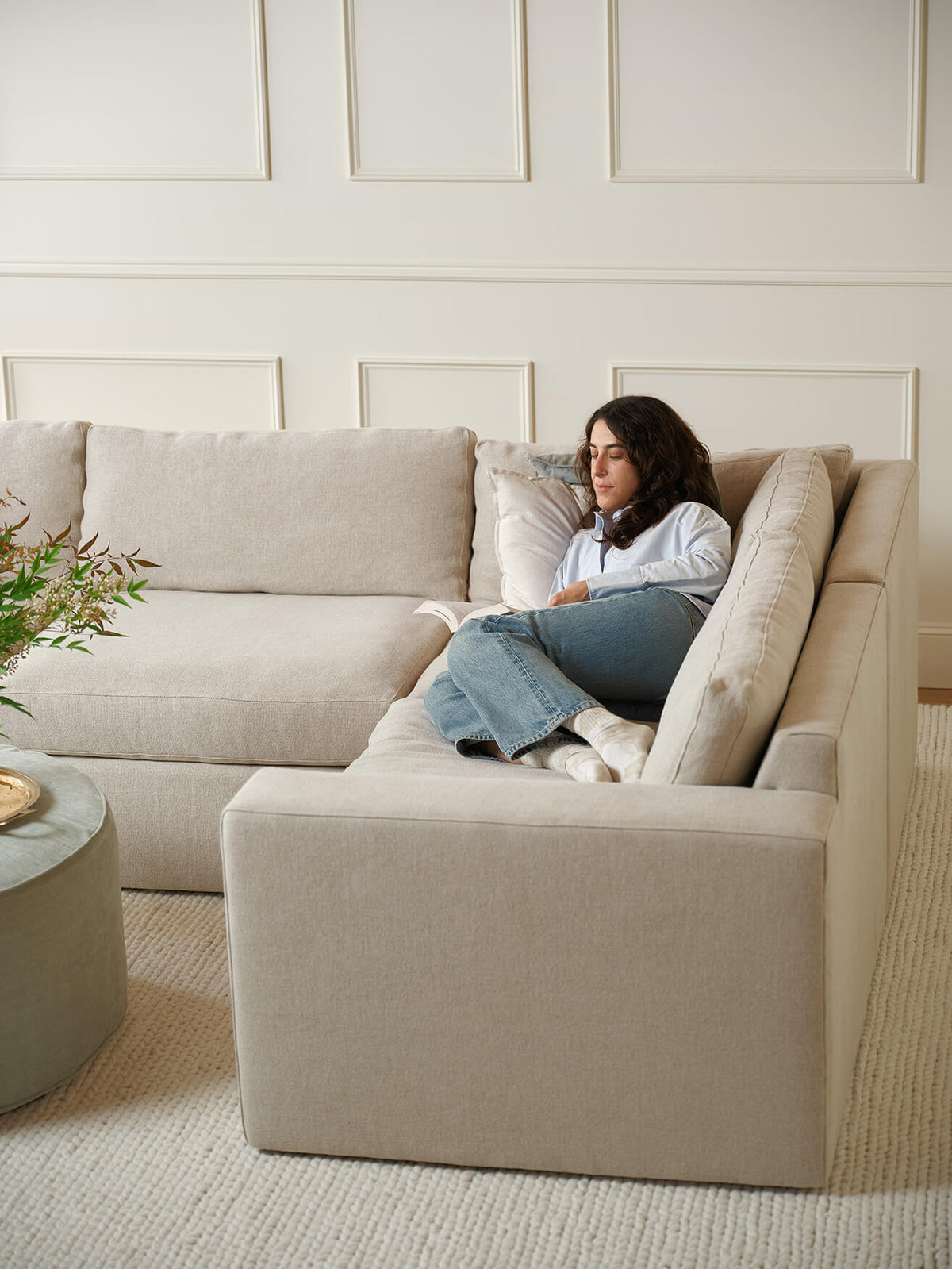
A corner sectional is a classic L-shaped sectional, essentially combining two sofas into one large seating piece. When tucked against a corner, it makes use of an oft-forgotten part of the room, and when floating in a large space, it creates a natural landing and conversation zone.
While corner sectionals can still facilitate a lounging option, seating becomes even on both sides, making it a favorite for households that gather rather than vegging out alone.
Best for: Small living spaces that need corner placement to maximize floor space, larger households who need the seating, and anyone who entertains often.
Good to know: If you like to lounge, but your household would benefit most from a corner sectional, you can always add an ottoman at one end to create that chaise-like feel.

U Sectionals
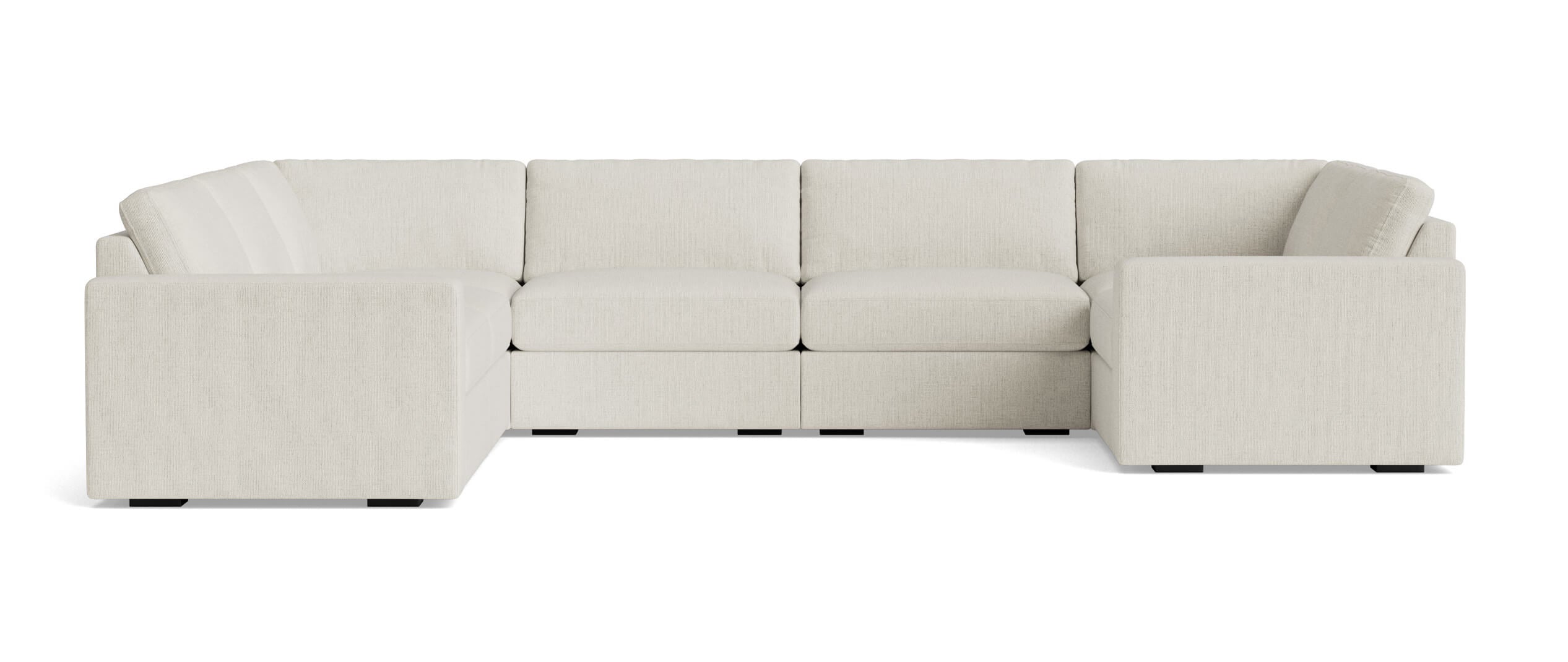
A U sectional is what happens when a corner sectional adds a third side, creating a wrap-around living room centerpiece. Its third side could be a simple extra “sofa” attached, creating 3 or 4 extra seats, or could be a chaise lounge for the stretcher-outers.
This arrangement results in an oversized, cozy, room-within-a-room seating arrangement with a built-in conversation pit. Everyone faces the center, and there’s plenty of room to lounge by tucking into one of the corners.
Best for: Large households, frequent hosts, and spacious, open floorplans asking for an informal, conversation-ready piece.
Good to know: A U sectional needs real room. Not only for the piece itself, but for the walkways around it: measure the space, considering the ways in, ways around, and any possible traffic blockages.

What’s a modular sectional?
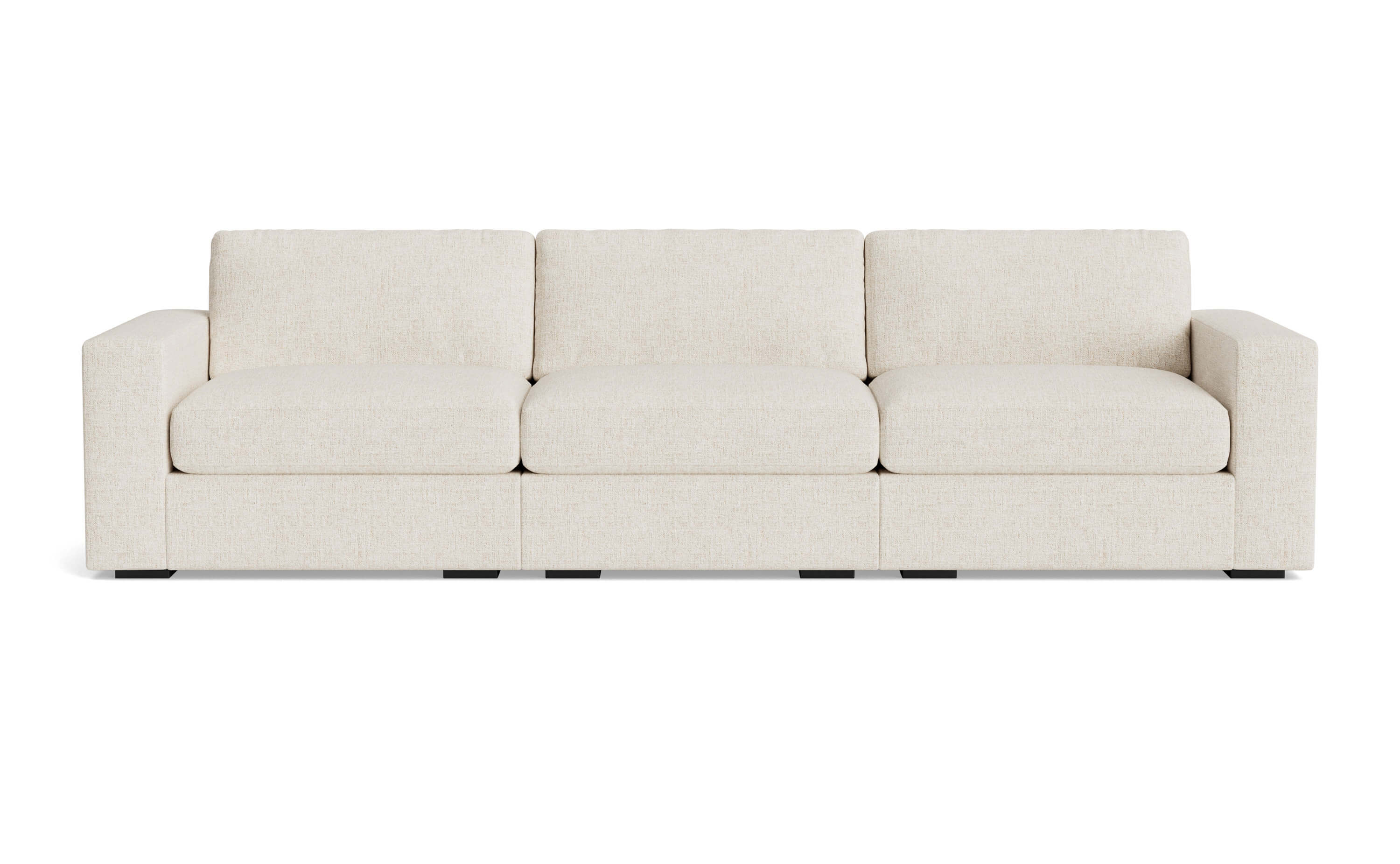
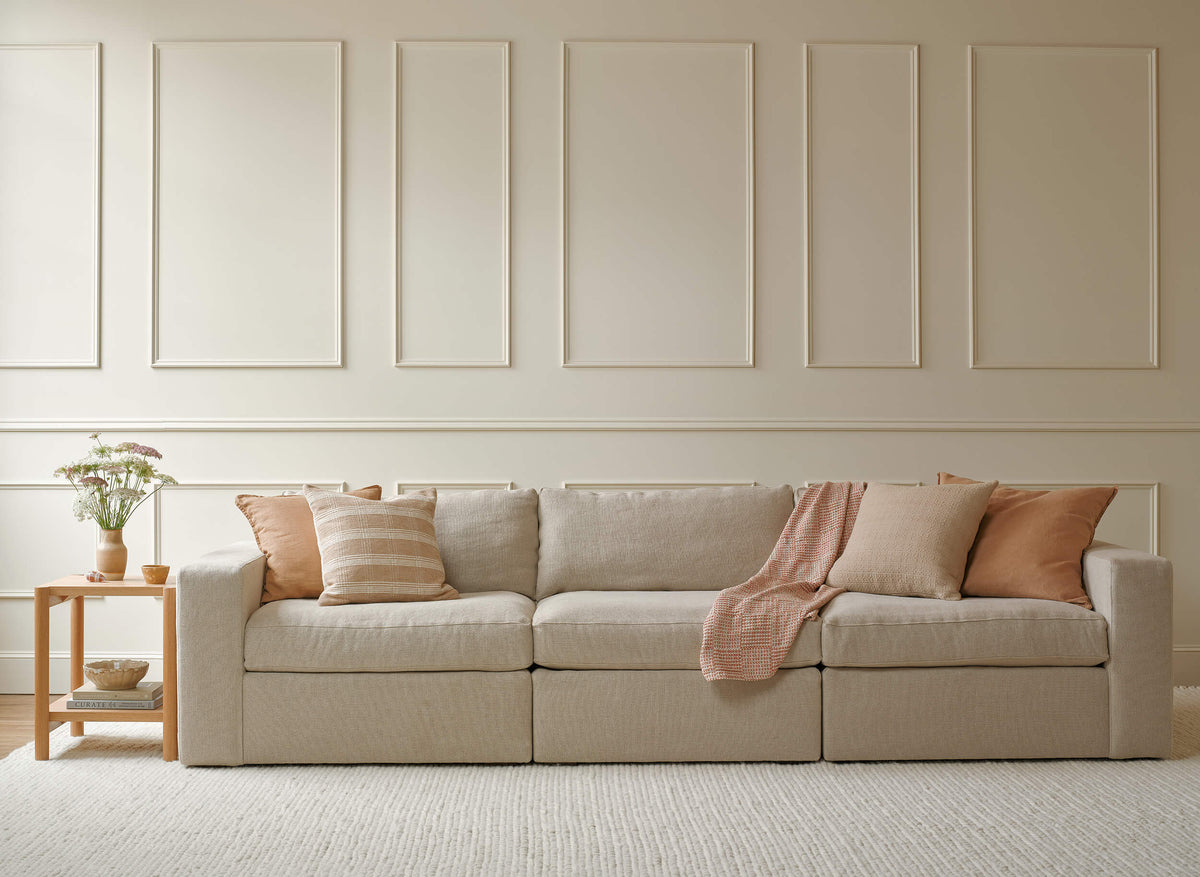
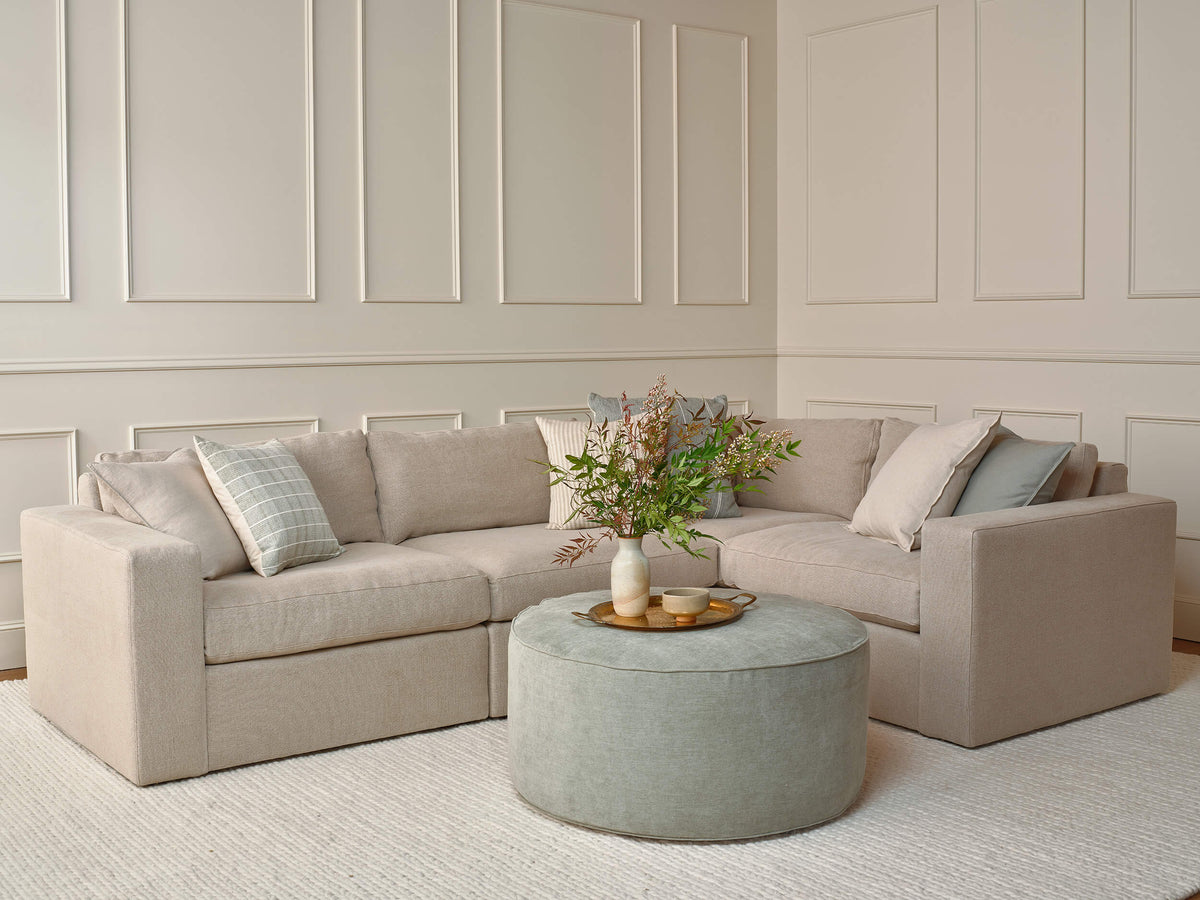
A modular is made of separate pieces that connect together for easy moving and future rearrangement or additions.
Modular collections most often come with armed seats, armless seats, corner seats, and ottomans. As a general rule, any sectional mentioned above can be produced using modular pieces. You choose the pieces that suit your room today, and you can add to, remove from, or rearrange them whenever life changes.
Best for: Households who need flexibility in rearrangement or plan to move their sectional around the home over time, and people who move more frequently and want to ensure easier moves and deliveries through doorways, stairwells, or elevators.
Good to know: Connecting hardware holds neighboring sections of a modular sectional in place so the sectional sits and feels like one piece in everyday use. Because each piece is independent from one another, look for brands that use heavy-duty, built-in clips or interlocking hooks to prevent the pieces from sliding apart.
How to choose the right sectional for you
You probably know which style of sectional is speaking to you, but here are a few practical steps that will keep you from falling for a sectional that doesn’t actually fit your home and lifestyle.

Measuring your space
Measure twice, buy once! It’s a good idea to measure not only the floor space where the sectional will sit, but the paths and main walkways around it as well. As a broad rule, main walkways should have at least 36" of clearance, which is generally enough for two people to pass comfortably. Secondary paths, like those around a coffee table, or to a window, can be 24–30".
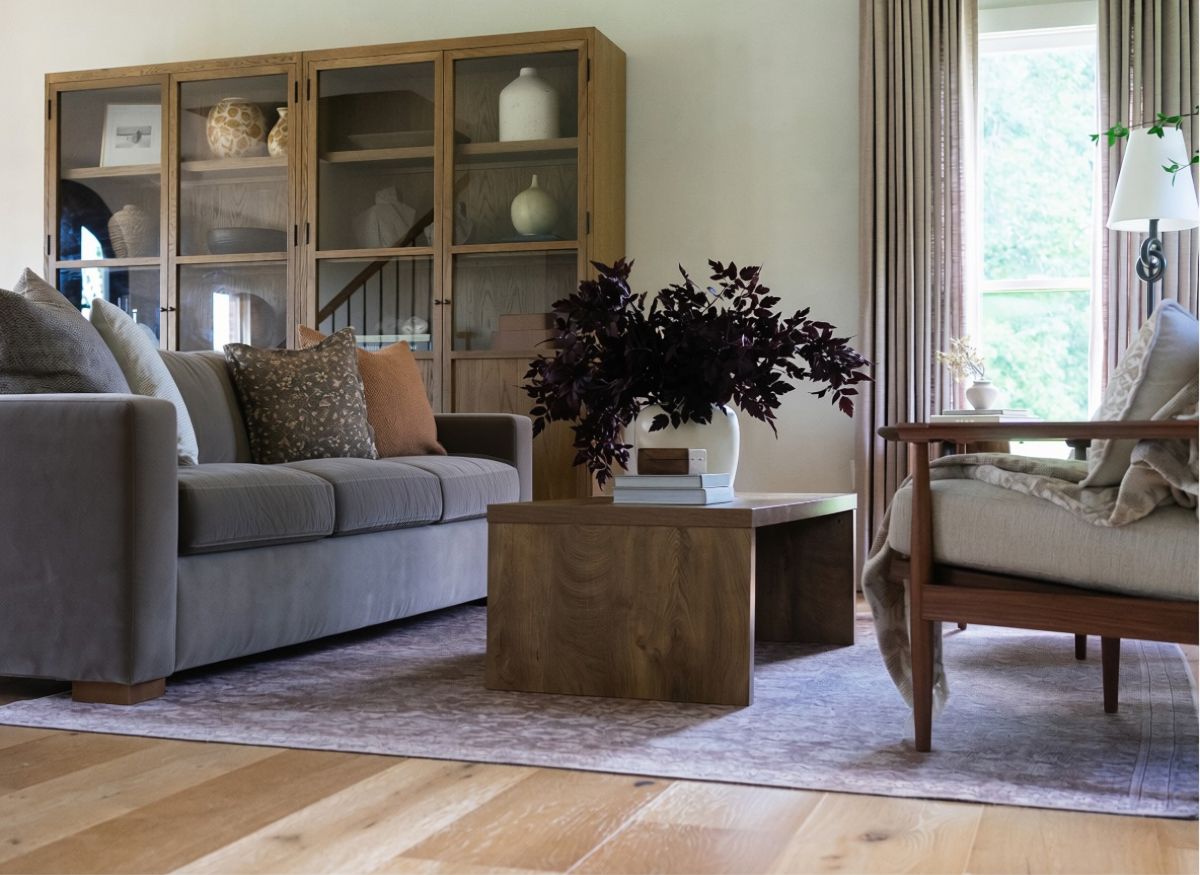
You’re probably planning to incorporate a coffee table into your space, so keep in mind that 18" is the workable minimum between the edge of a seat and the coffee table edge. 20–24" is ideal for easy leg room without having to stretch too far to reach your drink, phone, or book. Other furniture should be between about 30"-36” away for ample walking space, and at minimum 24” if you’re working with a smaller space.
And, don’t forget to consider the way in. Traffic pathways, doorways, hallways, stairwells, and elevators should all be included when measuring for fit.
Helpful note: use painter’s tape or cardboard cutouts to mark the footprint of your dream sectional to see how it really feels in your space.
Here at Medley, our team put together a Sofa and Sectional Sizing Guide that delves into more tips and tricks about deciding which layout is best for your space: head there for more deets!

Think about how you really live
Be honest about your habits! If your evenings and weekends are spent mostly stretched out, a chaise sectional will be your best friend every day. If your home is the one everyone gathers, a corner or U sectional will do some heaving lifting.
Also, keep in mind that seat depth and seat height can change the feel of the sectional. A higher seat height and narrow seat depth provides more back support, while a deeper seat depth offers a loungier feel.
We always feel it’s best to be armed with as much information as possible. Check out our Comfort Guide for help figuring out what "comfortable" means for you. You can always reach out to our team at Medley for more guidance.
Look inside the piece
A sectional is a big presence in your home. And while we all love to oooh and ahhh over a pretty living room piece, everyone knows it’s what’s on the inside that counts.
Here at Medley, we believe that comfort shouldn’t have to come at the expense of quality and health. You can prioritize furniture that’s better for you, better for the planet, and holds up better long-term — here’s a helpful debrief on what to look for when purchasing a sectional:
-
The upholstery: choosing a durable (read: cleanable) fabric ensures that your piece will hold up for years. You’ll want to check out fiber types (whether they’re natural, synthetic, or a blend), rub count, and more: dive into our blog on how to choose a fabric for all the nitty-gritty details. Also, remember that the fabric your sectional is covered with will come into direct contact with your skin (and, if you have young kids, little mouths!), so it deserves the proper attention to make sure you’re bringing a durable and safer fabric into your space. Look for fabrics that are certified by OEKO-TEX® Standard 100 or GREENGUARD Gold, which ensure that fabrics are free from thousands of harmful chemicals and meet rigorous indoor air quality standards.
-
The stain repellants and finishes: we all want that oomph of protection from everyday spills and messes. Stain repellants and fabric finishes can keep your furniture looking fresh for a long time, however, not all of these are best for your health. Ask questions from the brand you’re looking to purchase from: they should be able to attest to what type of finish their fabrics come with, and if they’re third-party tested for hazardous chemicals and PFAS.
-
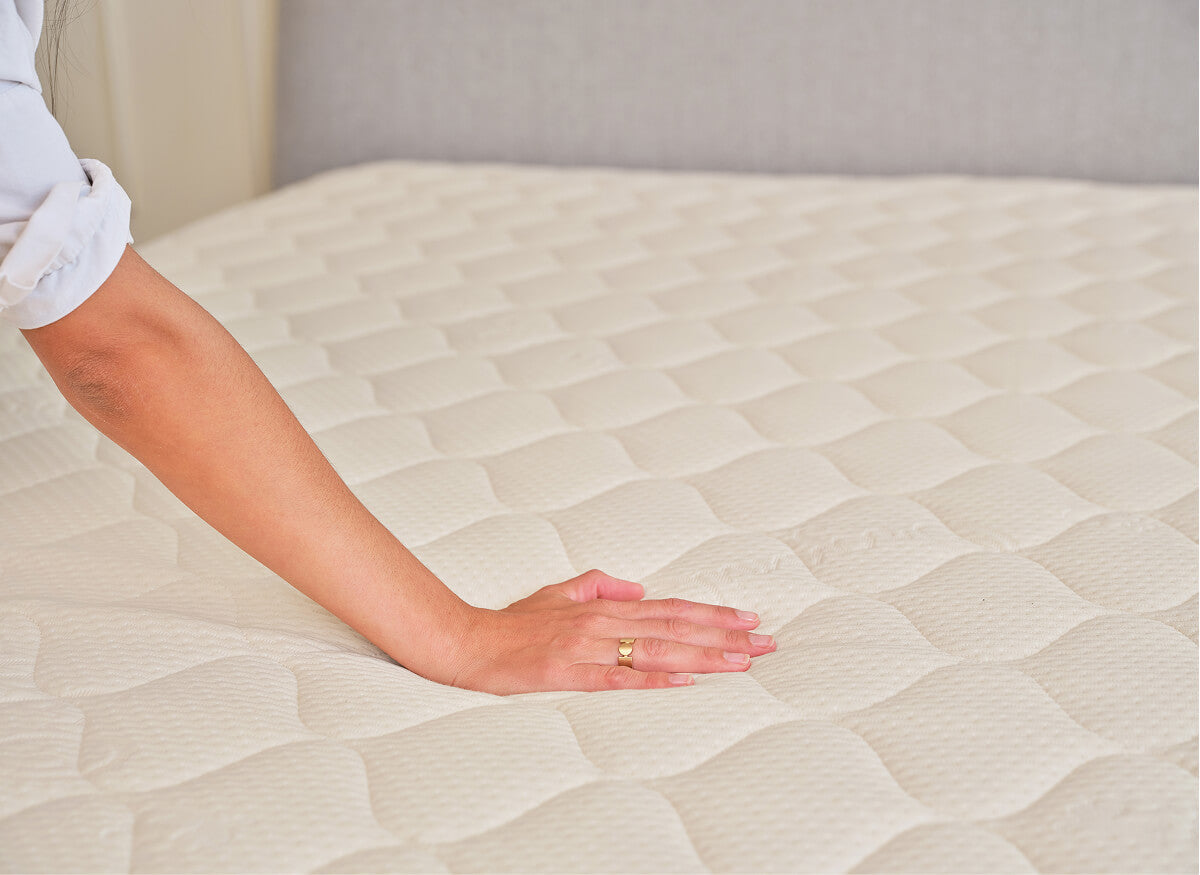
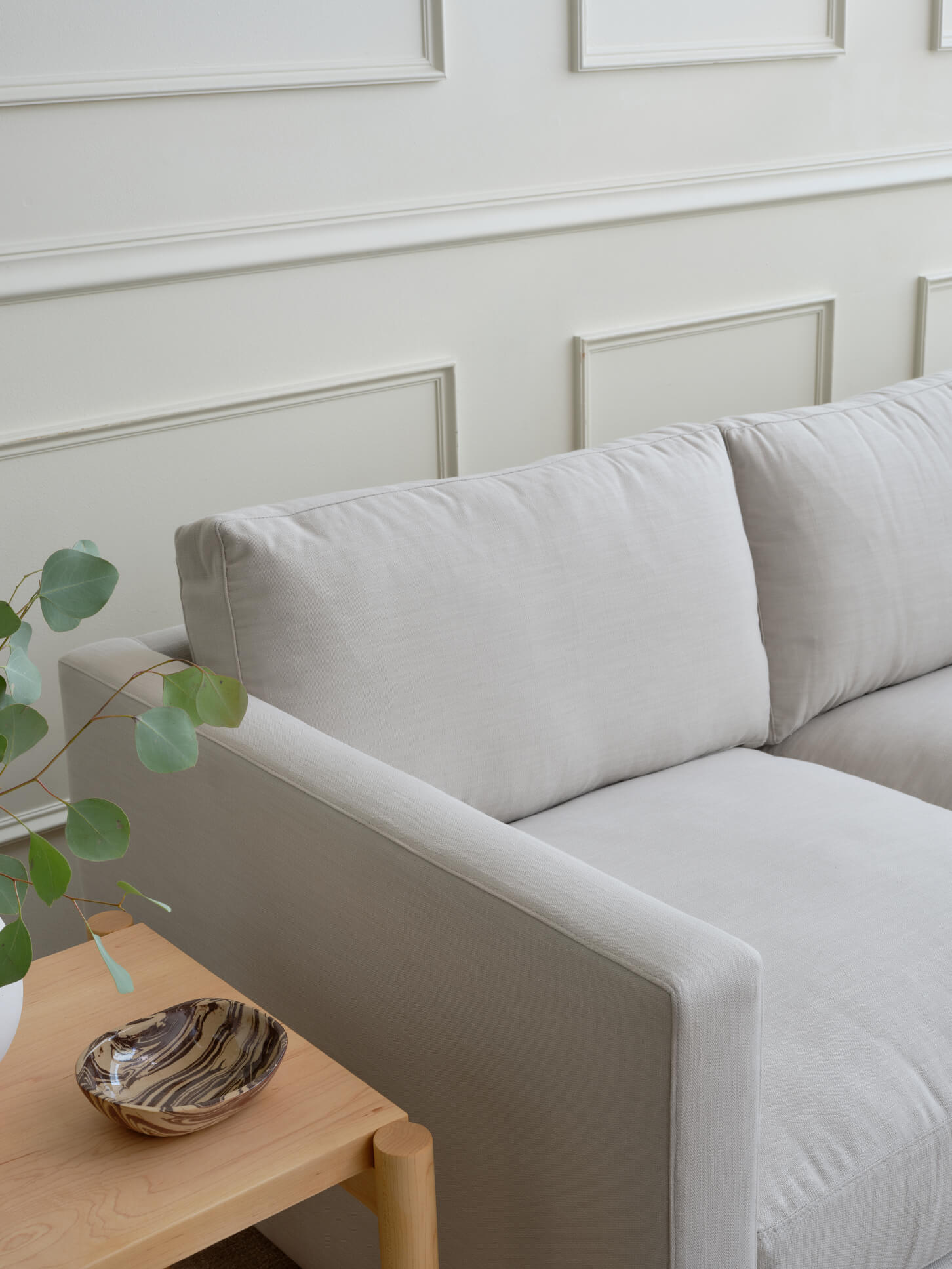
The cushions: well-constructed cushions will keep your sectional looking fresh for many years to come. Look for high-density foam cushions, which hold up their shape better over time. In our opinion, equally as important as durability is safety, which is why it’s best to opt for GOLS certified organic natural latex foam or CertiPUR-US® certified high-density foam cushion fills. Natural latex is particularly special in that its inherent, springy properties mean that it can hold its shape for decades. Unlike many other types of foam, natural latex is also naturally resistant to mold, mildew, and dust mites, and does not absorb moisture or heat. More on natural latex versus poly foam here.
-
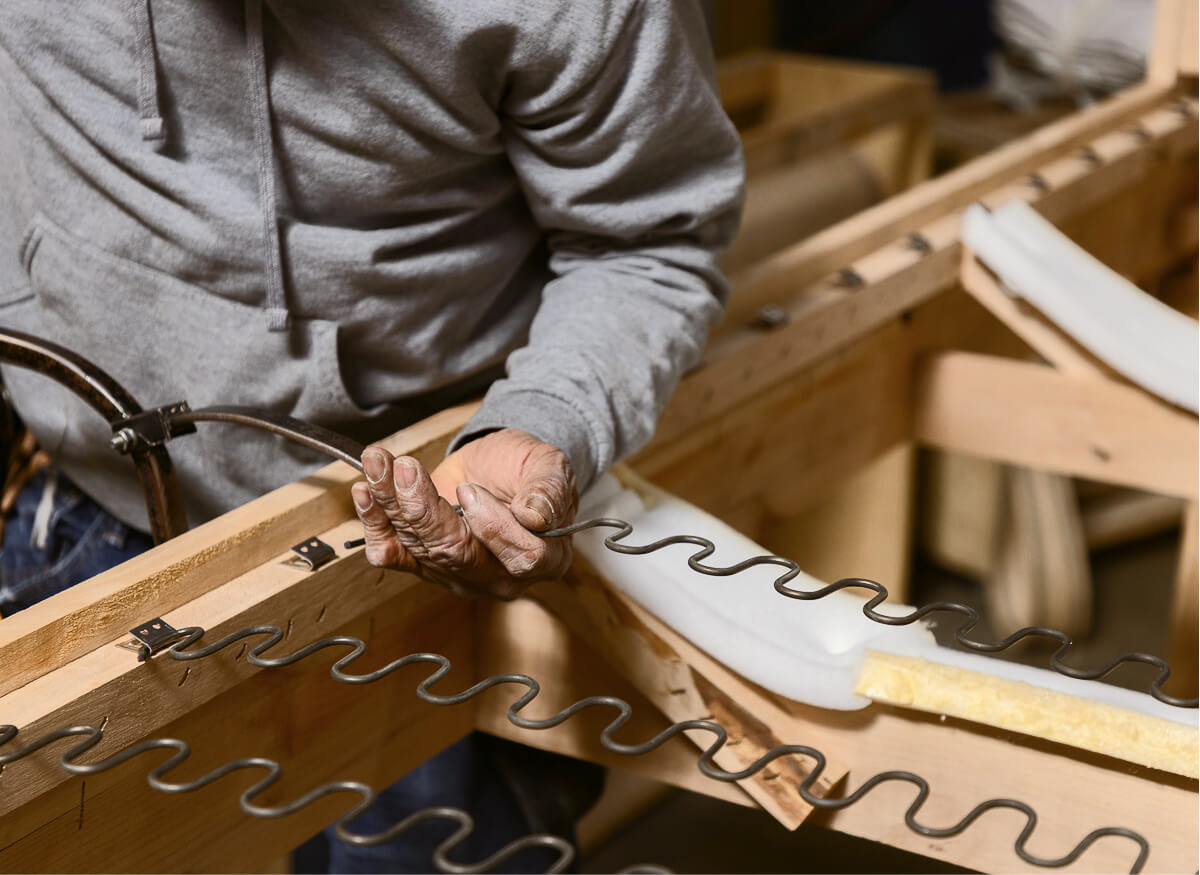
The frame: your sectional’s skeleton keeps this piece strong for decades, so being selective here really counts. Look for furniture frames made from a blend of solid wood and formaldehyde-free engineered hardwood. Solid wood alone can warp over time with humidity and temperature changes, and engineered wood alone typically isn’t durable enough to withstand real life over the years. At Medley, we use solid wood and PureBond® hardwood plywood on our natural latex and wool furniture. It’s best to always seek out FSC-certification, which ensures that the wood used supports wildlife habitats, respects indigenous rights, and maintains biodiversity in harvesting. More details on our wood goods can be found right here.
Our Ultimate Guide to Shopping for Non-Toxic & Eco-Friendly Furniture is a great resource if you’re interested in learning more.
The Bottom Line
There's no single best sectional – only the best one for your space and the way your household likes to live! Chaise sectional styles are a dream for lounging, and bumper and corner sectional styles are a nice blend of relaxing and gathering. U sectionals are made for a crowd, and modular construction lets any of the above grow and change with you.
Determine the sectional shape that fits your lifestyle, then choose a piece built with quality and better-for-you materials. After all, it’s going to be part of your home for a long time. We’ll make it even easier: you can start right here.



Leave a comment
All comments are moderated before being published.
This site is protected by hCaptcha and the hCaptcha Privacy Policy and Terms of Service apply.