

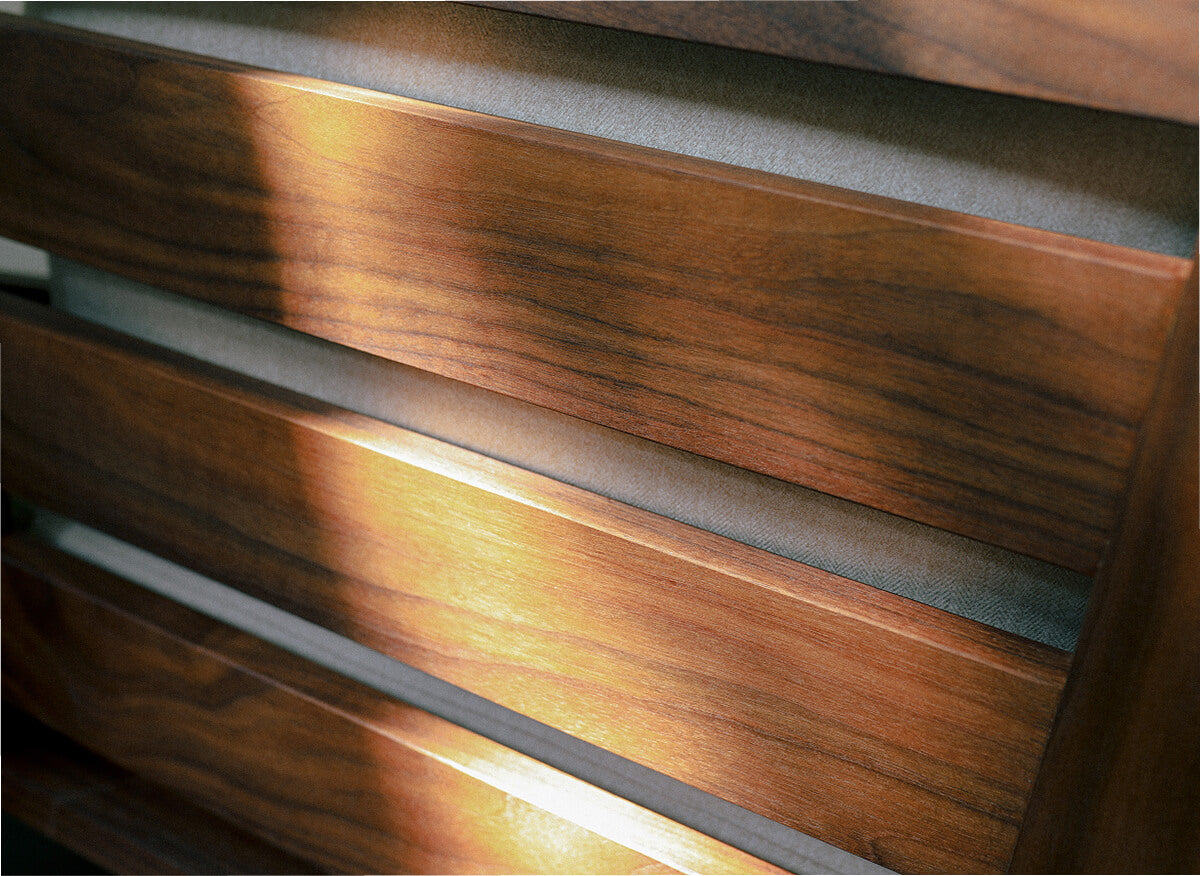
When investing in a new piece of furniture, you’re not just buying a spot to sit in, or a surface to eat on: you’re bringing materials into your home that will be a part of your daily life for years to come (or so we hope!). At Medley, we believe everyone should know exactly what those materials are, where they come from, and why they’ve been chosen.
Wood is at the heart of nearly every piece we make. From hidden heroes like furniture frames to beaming main characters like dining tables, all of the wood that we use is selected for its beauty and purpose, and as always, with environmental impact in mind. In this neat guide, we’re walking you through all of your questions about the wood in your Medley furniture – from forest to frame. Let’s go!
Solid wood vs. hardwood vs. engineered wood vs. veneer vs. particle board: what’s the difference?
The world of wood furniture can feel confusing, with terms like "solid wood," "hardwood," and "engineered wood" often used interchangeably — or misleadingly! Here's what these terms actually mean:
Solid wood refers to lumber that's cut directly from a tree and consists of one piece of wood throughout (not layers or particles). It can be a hardwood or softwood species.
Hardwood refers to wood from deciduous trees (trees that lose their leaves), such as oak, maple, walnut, and cherry. Despite the name, "hardwood" doesn't always mean the wood is harder — it's actually a botanical classification. That said, most hardwoods are indeed dense and durable, making them excellent for furniture!
Engineered plywood is also called engineered hardwood or composite wood, and is made by binding wood strands, fibers, or veneers together with adhesives. Plywood is a type of engineered wood made from thin layers of wood veneer glued together. High-quality engineered woods can be extremely strong and stable, oftentimes even more resistant to warping and cracking than solid wood.
If there’s plywood in your furniture and you want to consider your health when bringing a new piece of furniture into your home, then it’s important to seek out plywood that’s either formaldehyde-free (PureBond®), or disclosed to have extremely low levels of added phenol-formaldehyde (CARB 2 compliant) in the resin for added strength. Both of these options are widely preferred to traditional plywood and compared to urea-formaldehyde, phenol-formaldehyde is widely considered much safer. Engineered hardwood made from phenol-formaldehyde is low in formaldehyde and rapidly cures to non-detect levels by the time it is put to use.
Formaldehyde-free plywood, like PureBond®, uses non-toxic, soy-based or MDI (methylene diphenyl diisocyanate) adhesives instead of traditional urea-formaldehyde resins, significantly improving indoor air quality for healthier homes. Both of these choices offer safe alternatives for cabinetry, furniture, and structural uses without harmful off-gassing.
Veneer is a thin slice of real wood that's adhered on top of a substrate (often plywood or particleboard). Despite its reputation in some circles, veneer isn’t inherently bad or cheap; and it’s even been used for centuries. You’ll most often find veneer used in furniture with more complex, curved designs, requiring more flexibility. Ultimately, it’s what’s underneath the veneer that’s paramount to the piece’s longevity and durability. Look for a frame made with solid wood or engineered hardwood, as opposed to something like particle board, which is prone to moisture damage and isn’t as sturdy.
Particle board (also called chipboard) is an engineered product made from pieces of real wood – as small as wood chips and sawdust – pressed into dense, uniform panels. Particle board is a budget-friendly material for furniture, but much less durable and moisture-resistant than plywood. It’s most often used for mass-market, ready-to-assemble furniture items and cabinetry.

Is solid wood furniture better?
We get it: there’s something magical about the idea of solid wood furniture. It brings to mind the natural beauty of endless forests, or heirloom quality pieces that are passed down from generation to generation. There’s no doubt, it is pretty magical, yet there are also a few important things to keep in mind when seeking solid wood pieces.
Solid wood is beautiful, strong, and long-lasting, which is why we, here at Medley, use it for our dining chairs, exposed wood accent chairs, tables, and hard goods where its natural character can shine.
However, for structural applications like sofa or sectional frames, a blend of solid wood and engineered hardwood often provides superior performance. An inherent property of solid wood is that it’s a natural material that responds to changes in temperature or humidity, which means it’s prone to expansion, contraction, warping, or cracking – obviously not the best characteristic for a sofa frame.
Engineered wood is much more stable, meaning it's less prone to those changes. For a sofa frame that needs to maintain its integrity through years of daily use, this kind of stability is invaluable. Ultimately, the key isn't whether something is solid or engineered wood — it's whether high-quality, durable materials are being used appropriately and with skilled craftsmanship. The best furniture uses the right material for each specific purpose.

Where does Medley's solid wood come from?
Every piece of wood used in the making of Medley furniture is domestically sourced right here in the United States. Medley uses six types of wood across our living, dining, and bedroom collections and internal furniture construction:
| Walnut | Ranges from deep brown to caramelly, generally straight-grained, with an occasional wavy or curly grain that produces a unique and attractive pattern. |
| White Oak |
Creamy light to medium brown with generally straight and delightfully coarse darker grain patterns; exceptionally durable. |
| Maple |
Light and warm, with a smooth fine texture and generally straight grain patterns. Durable as it is beautiful, maple is highlighted in our cabinetry, shelving, and dining collections, as well as constructing our sofa and sectional frames. |

| Alder |
A strong but lightweight wood used in hidden spots, like for our durable sofa and sectional frame construction. Alder also grows quickly and regenerates from stumps, making it beneficial for soil health. |
| Ash | A tough hardwood that’s shock-resistant and sturdy. Fun fact: ash is one of the most popular materials for baseball bats! |
| Pine | A lightweight, soft hardwood that resists warping and shrinking, even with humidity changes. Pine is used exclusively for our bed slats. |
For every tree used to bring Medley pieces to life, we donate to plant three trees in its place, in partnership with the National Forest Foundation. Our “More Trees, Please” initiative aims to ensure a carbon benefit through the trees we donate, and to highlight the intimate relationship between our furniture and our planet. We're committed to leaving forests fuller and healthier than we found them, ensuring a more vibrant planet for generations to come.
Where does Medley's engineered wood come from?
| PureBond® hardwood plywood | PureBond® hardwood plywood, a plywood that contributes to a healthier indoor environment. PureBond® replaces urea formaldehyde (UF) resin in traditionally manufactured hardwood plywood with a formaldehyde-free version. By eliminating UF chemistry, and adding third-party testing and audits, PureBond® provides their partners, fabricators, and consumers peace of mind. |
| CARB 2 Compliant hardwood plywood | Our poly foam upholstered pieces feature CARB 2 compliant engineered hardwood, which meets strict California Air Resources Board (CARB) standards. |
What is FSC certification?
All of our wood comes from suppliers that are certified by the Forest Stewardship Council (FSC) — an independent organization that sets rigorous standards for sustainable forest management. FSC certification means the wood in your Medley furniture comes from forests where trees are harvested responsibly, plant and animal species are safeguarded, and the legal, economic, and cultural rights of workers and local communities are respected. We work exclusively with suppliers who share this commitment to responsible forestry.
Where, and how, is wood used in Medley furniture?
Wood plays different roles throughout our furniture collections, chosen specifically for each application:
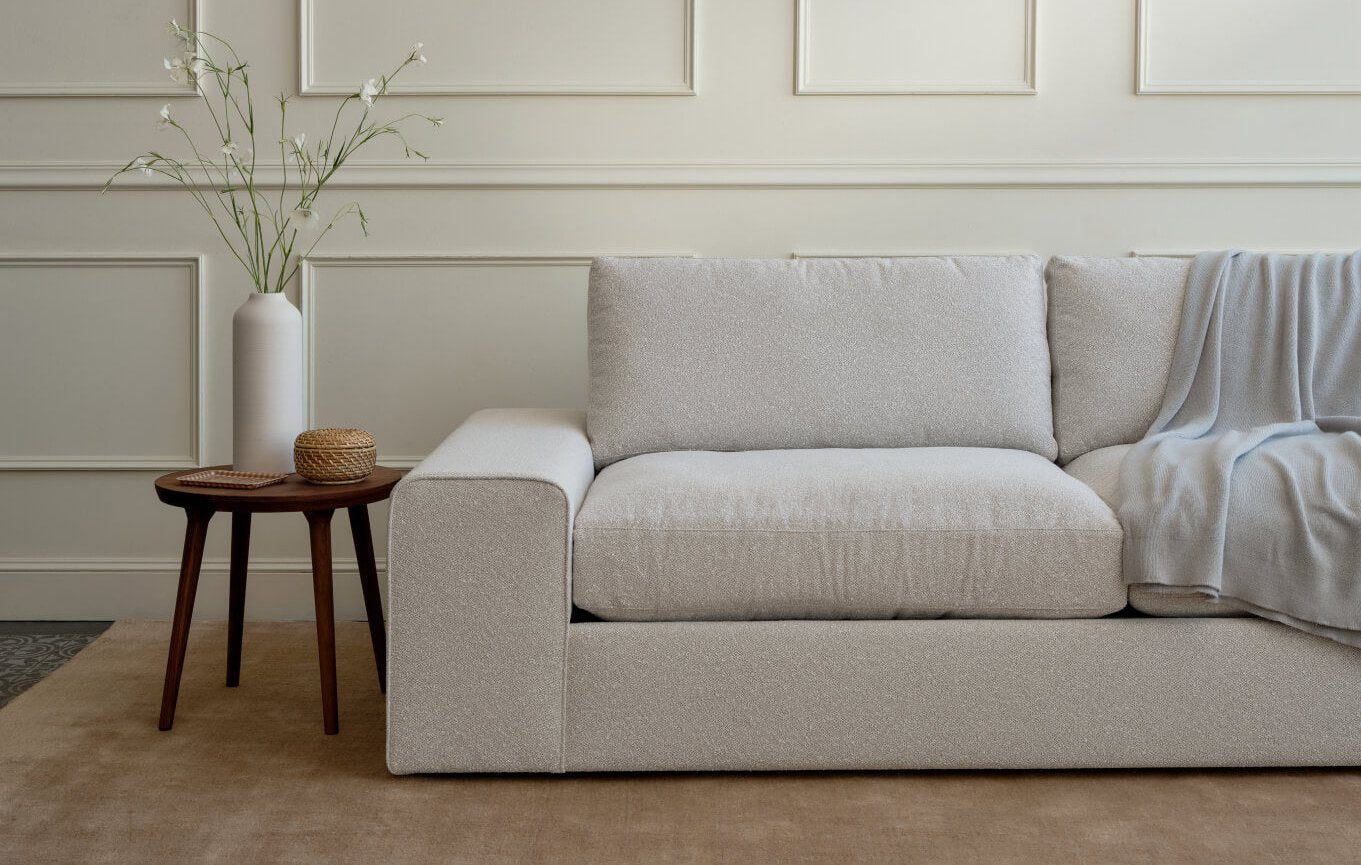
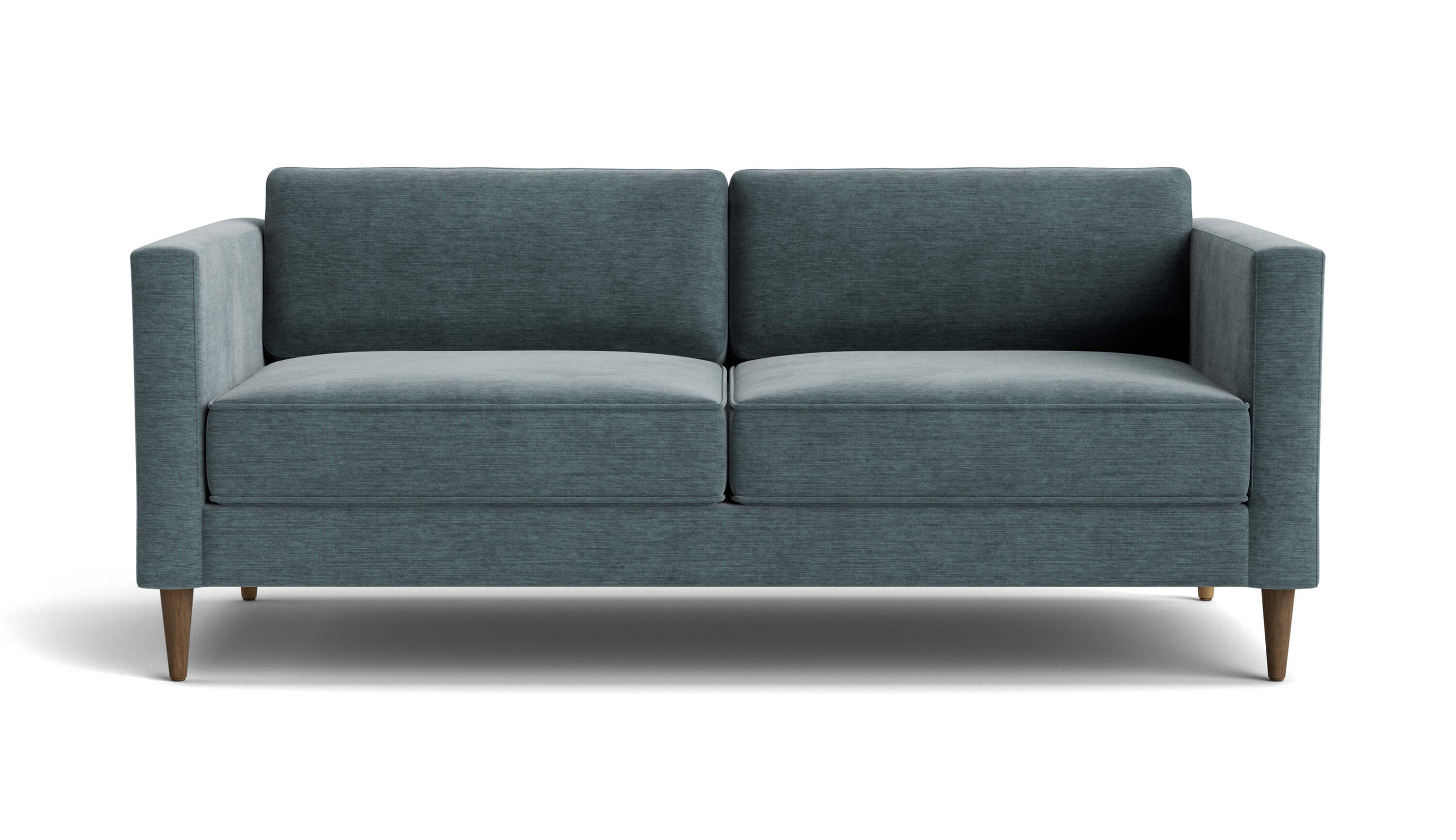
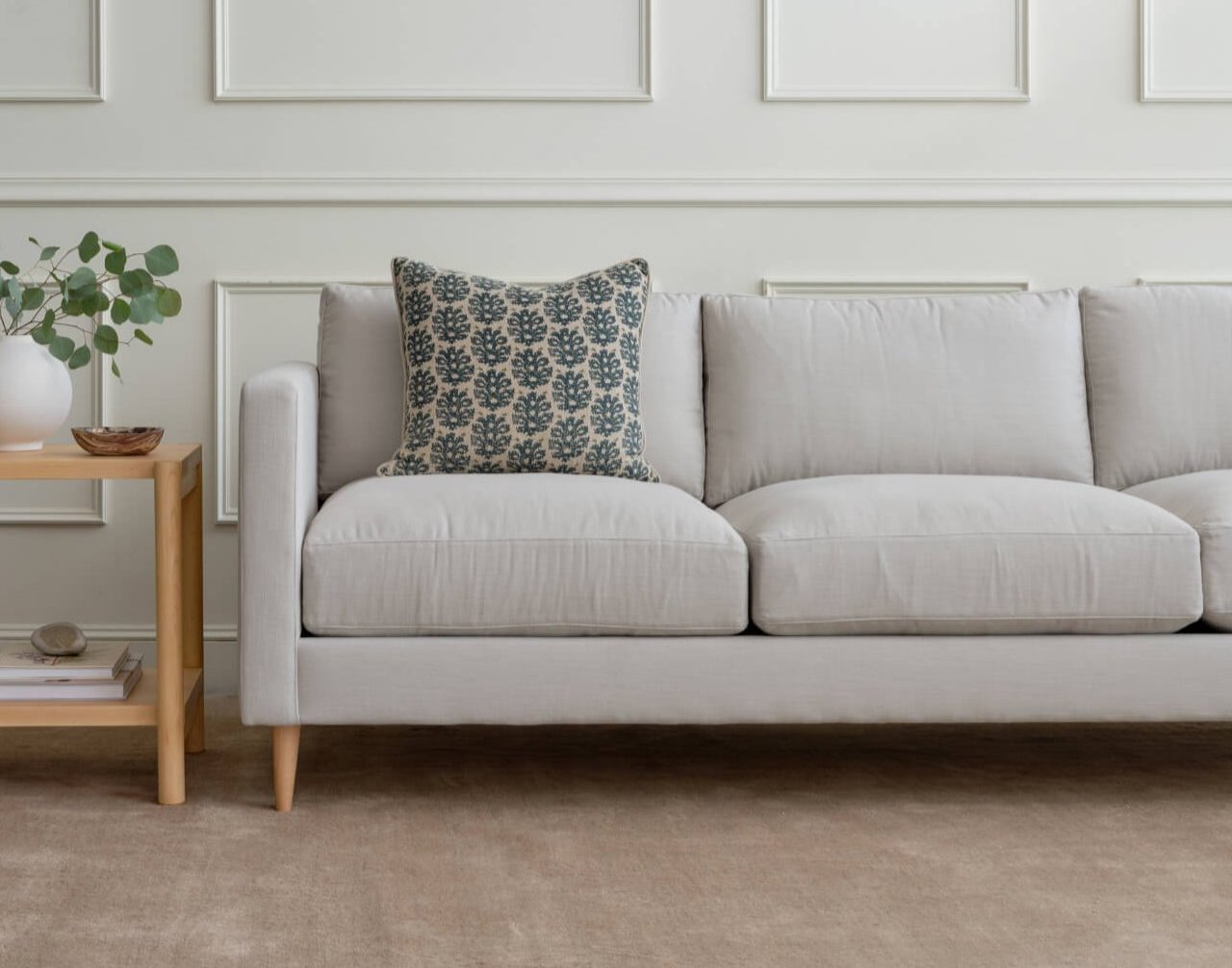
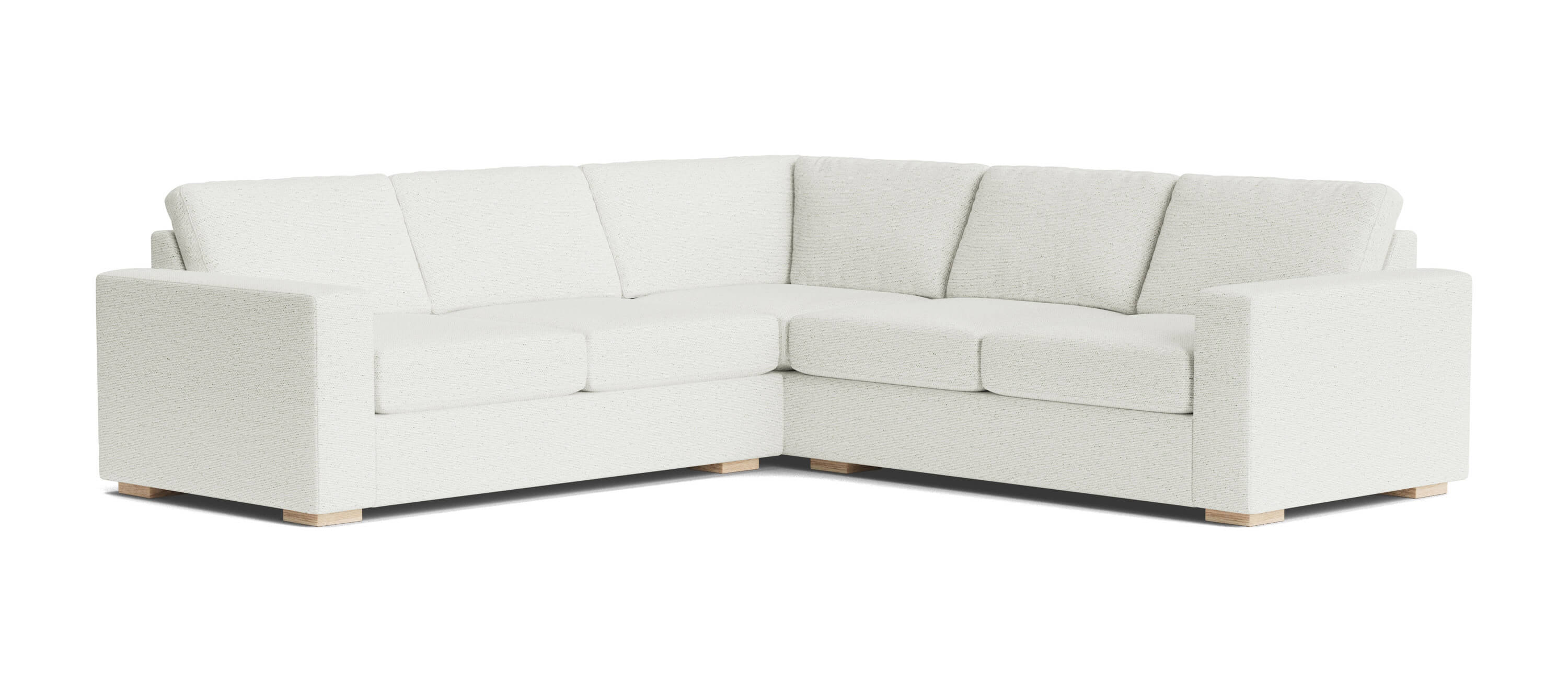
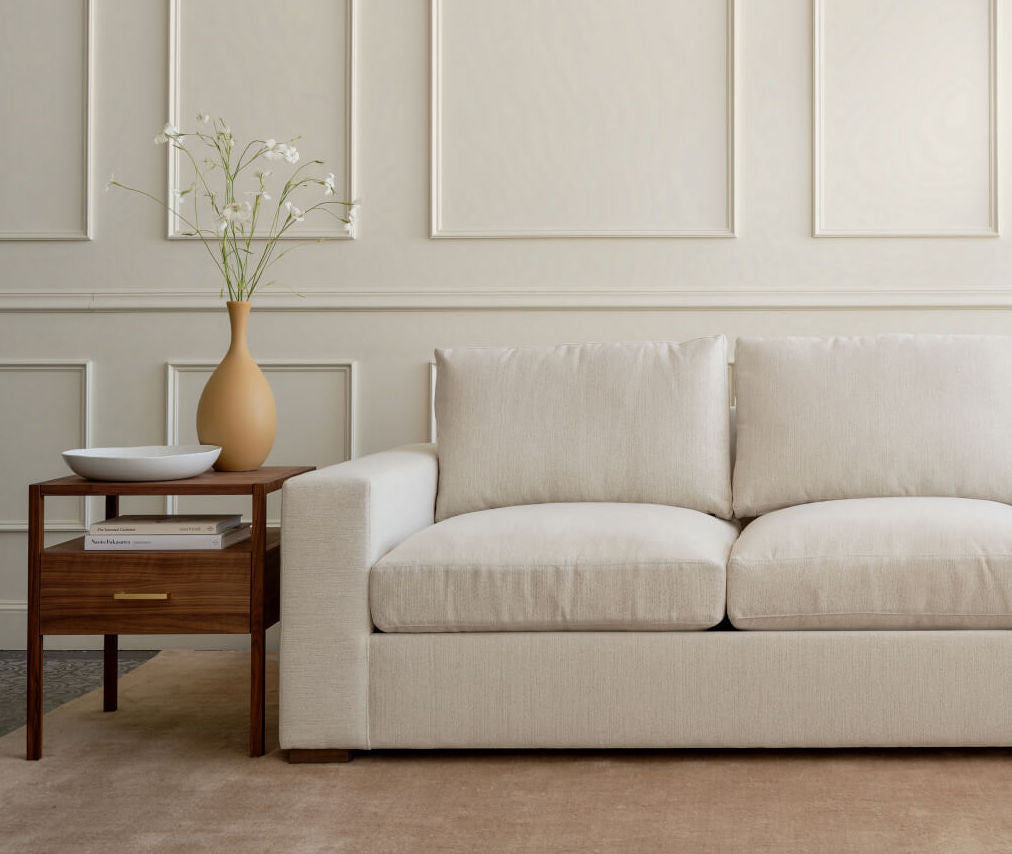
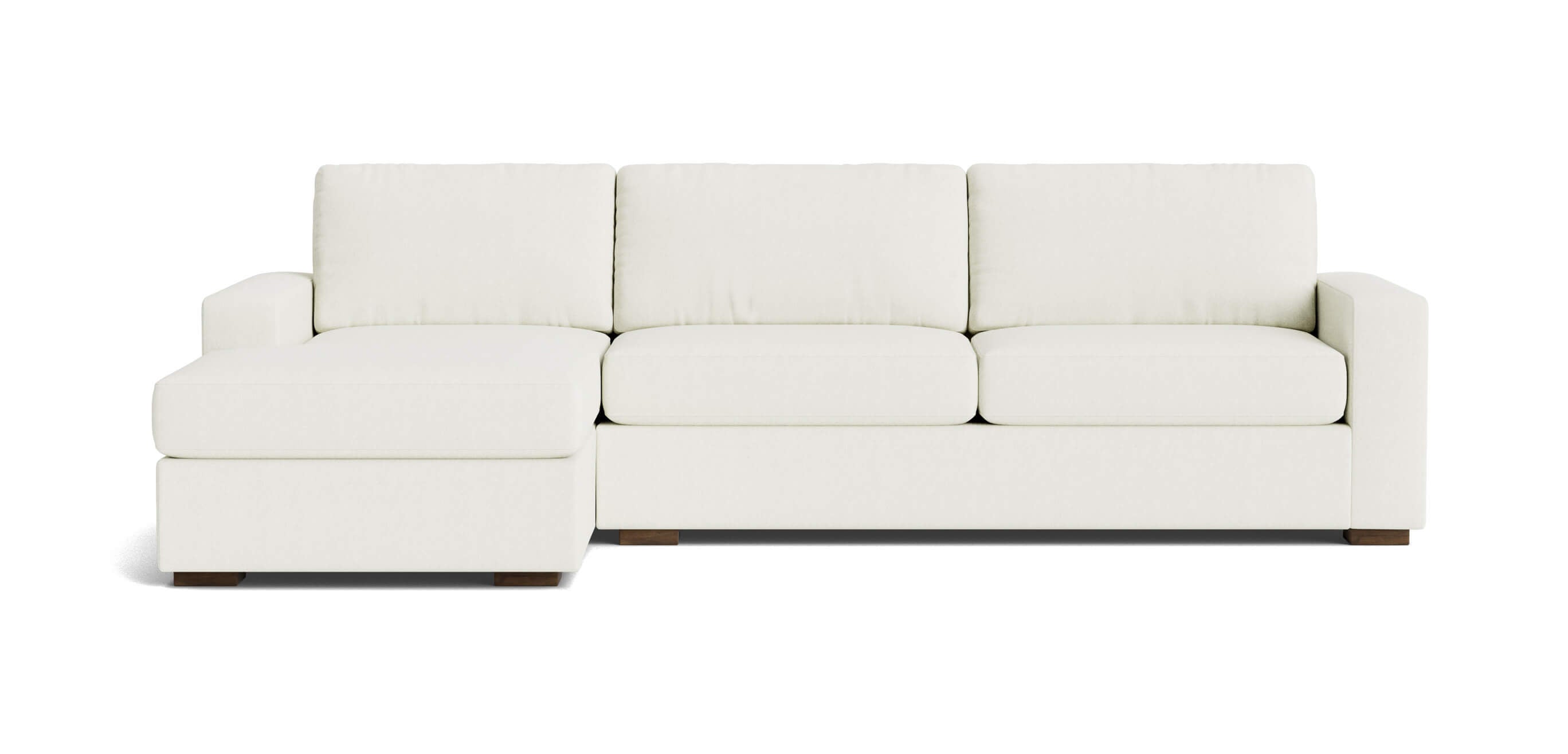
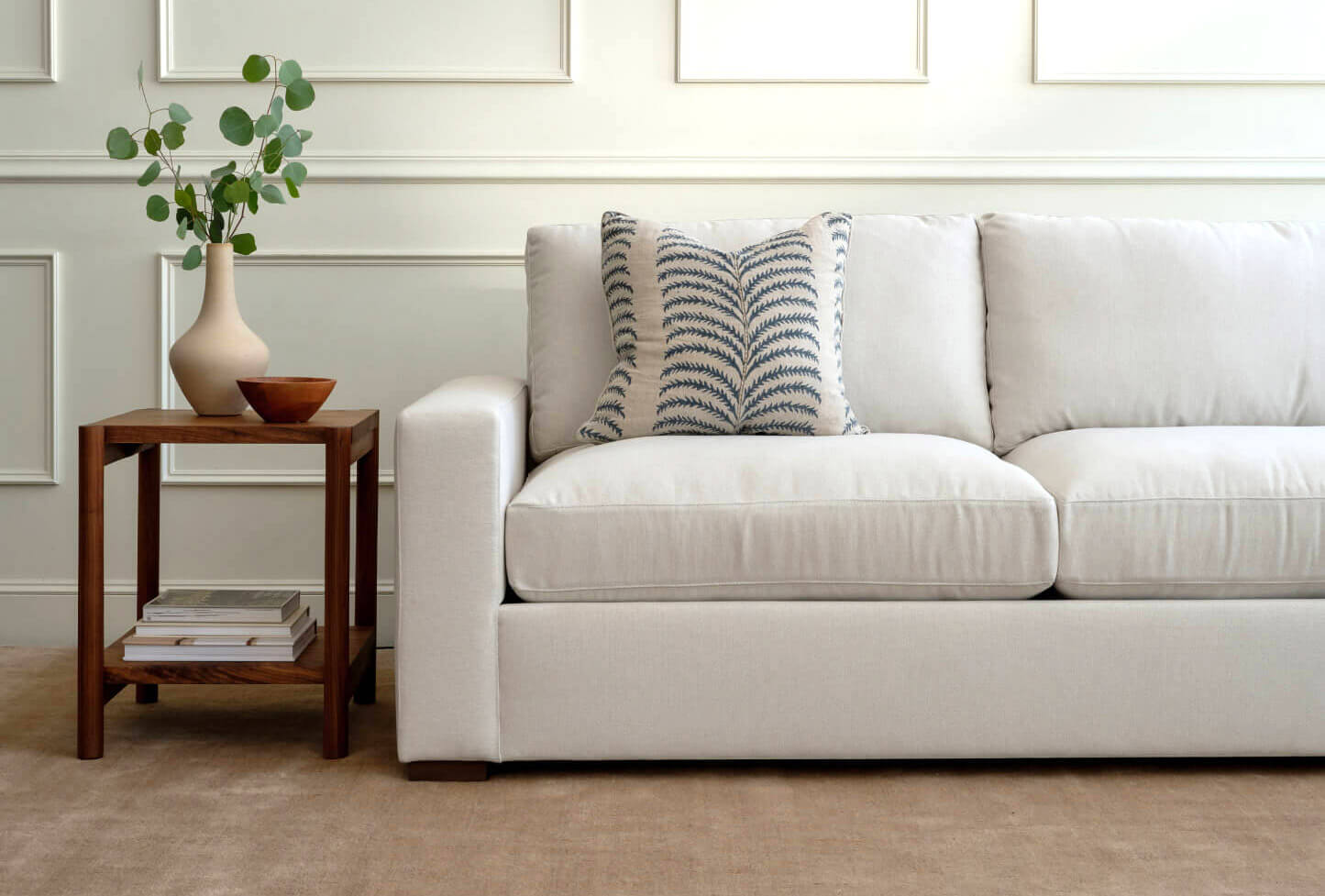
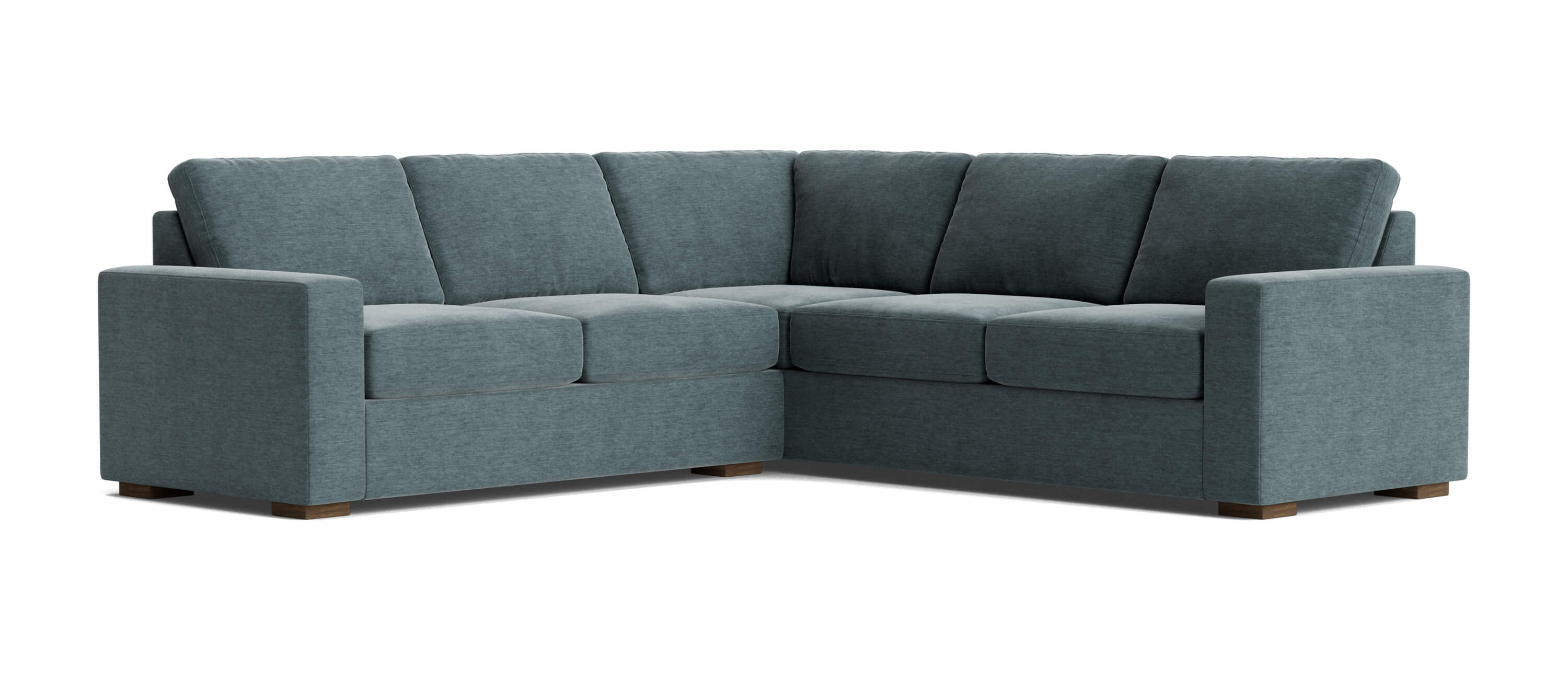
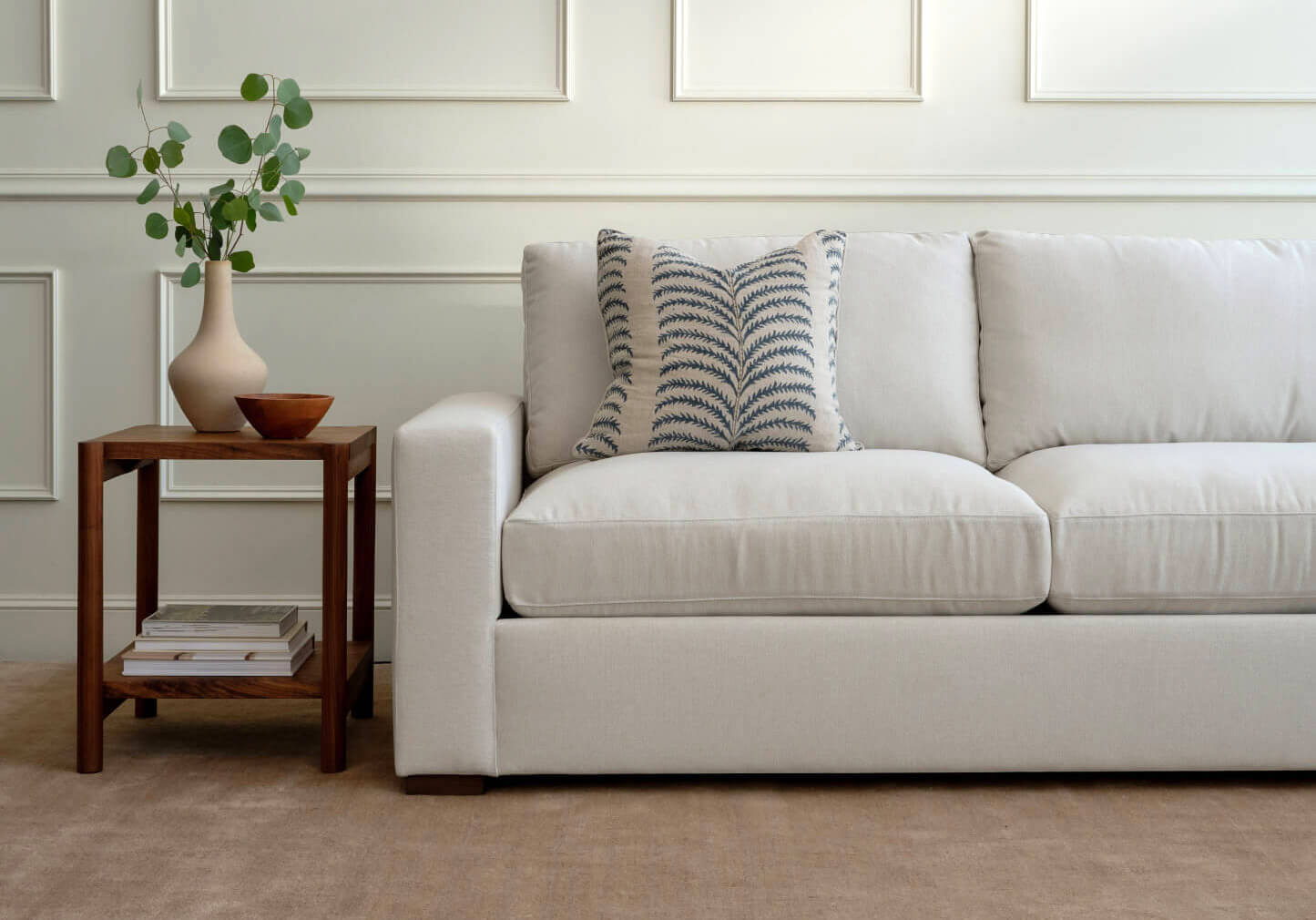
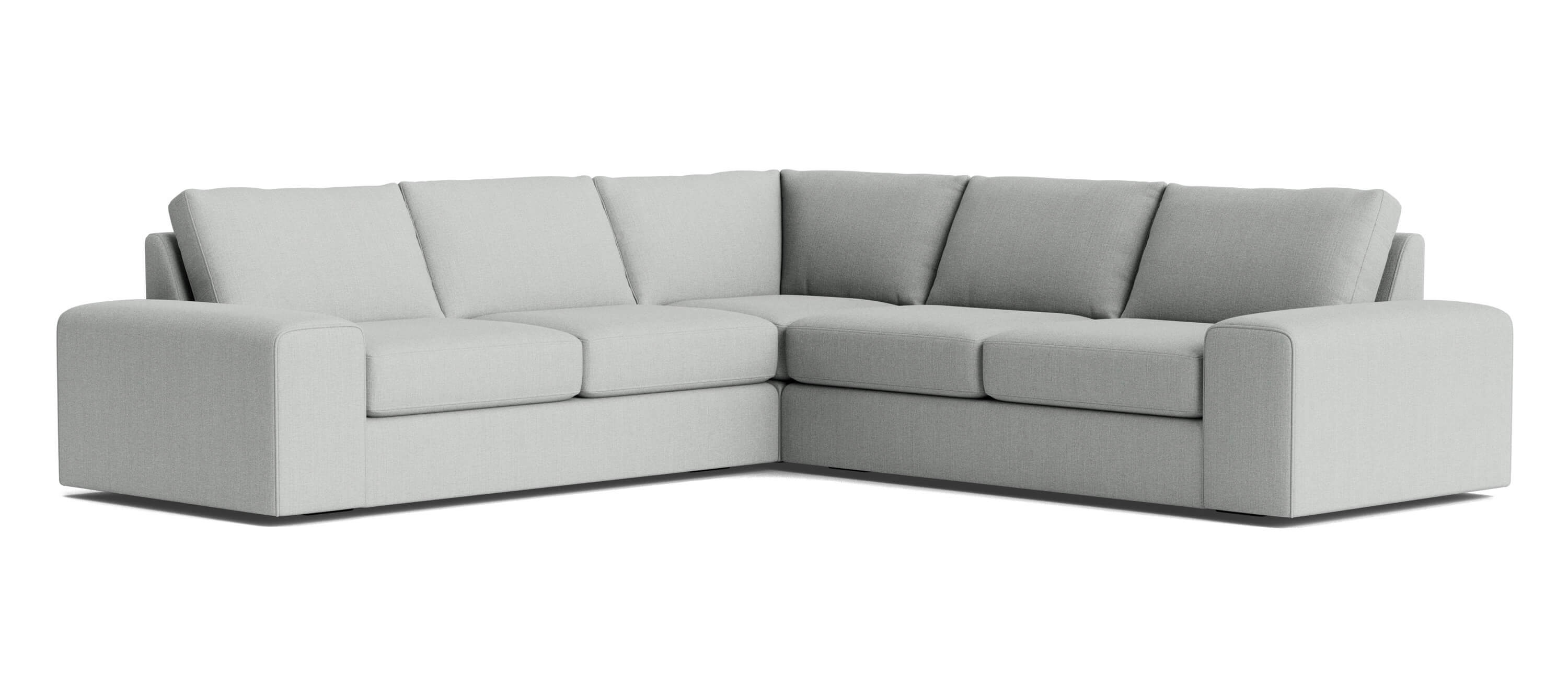
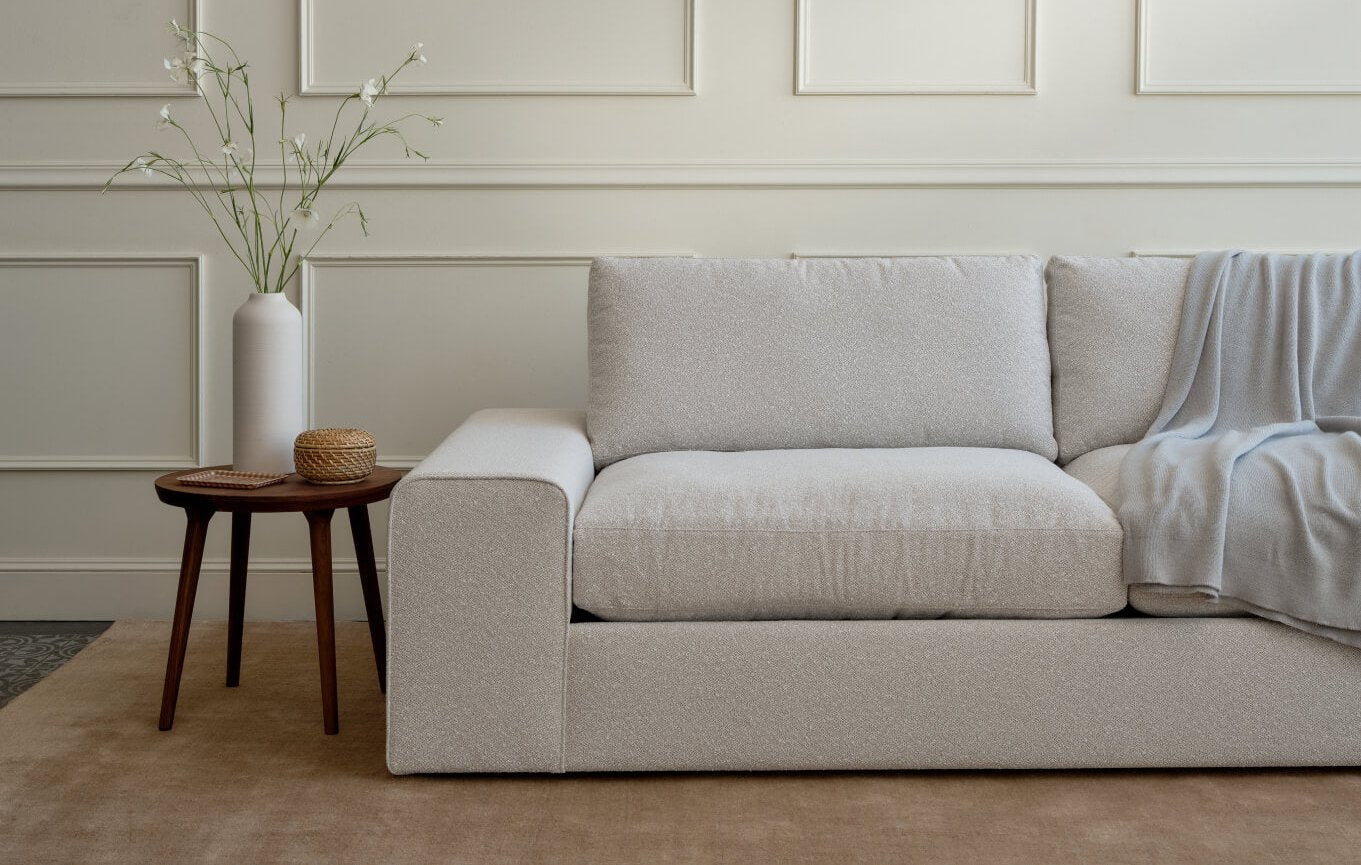
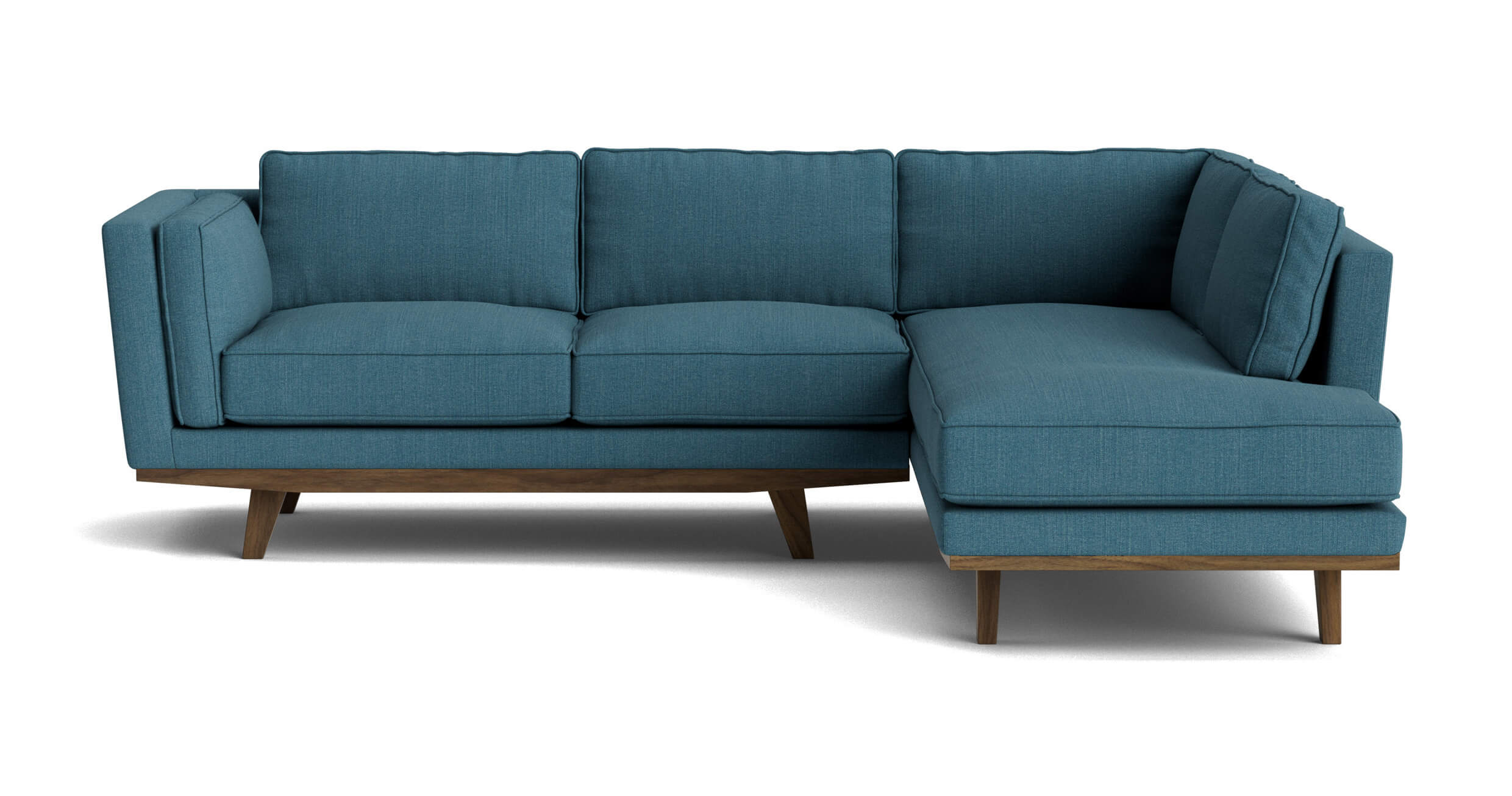
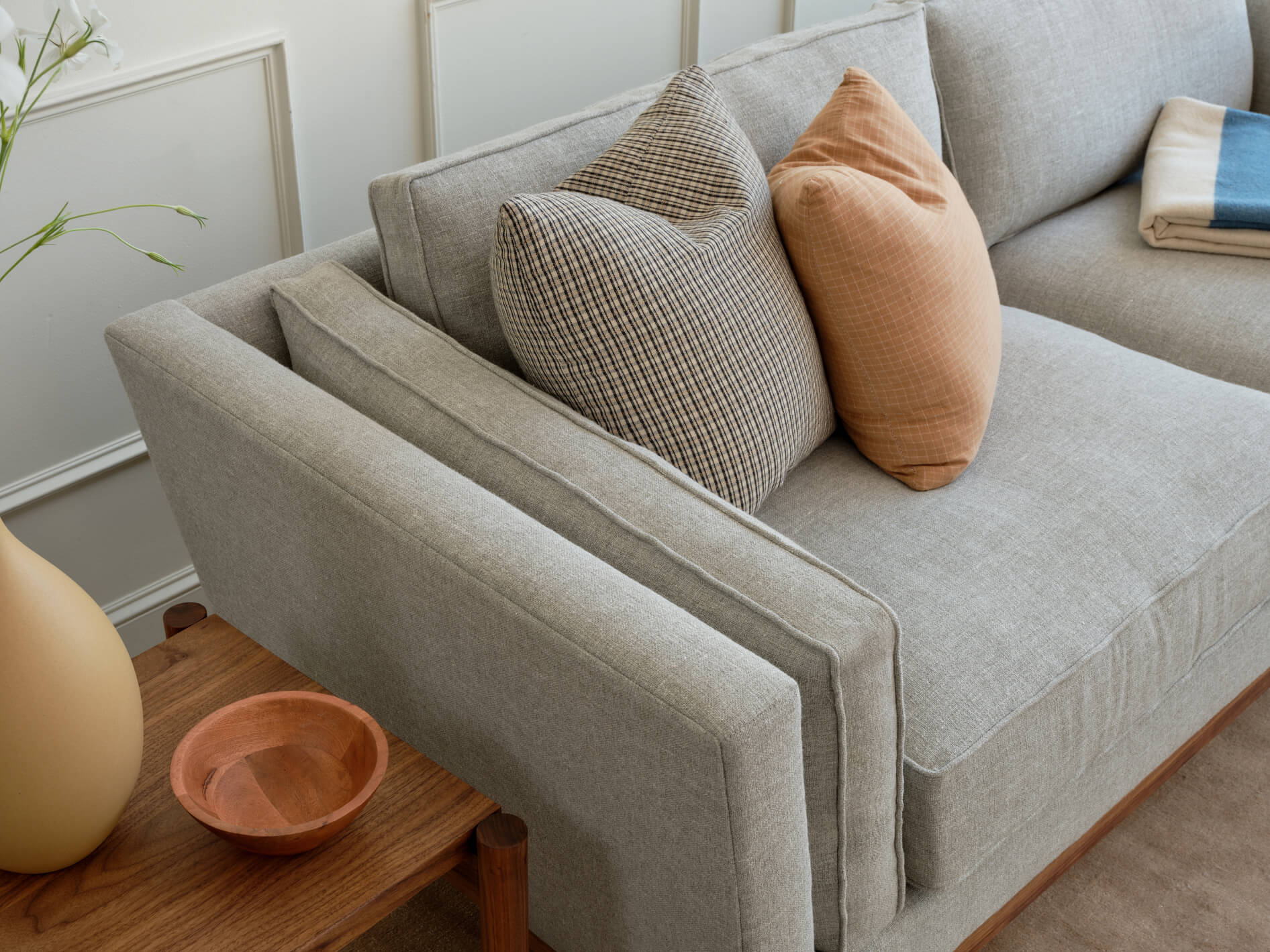
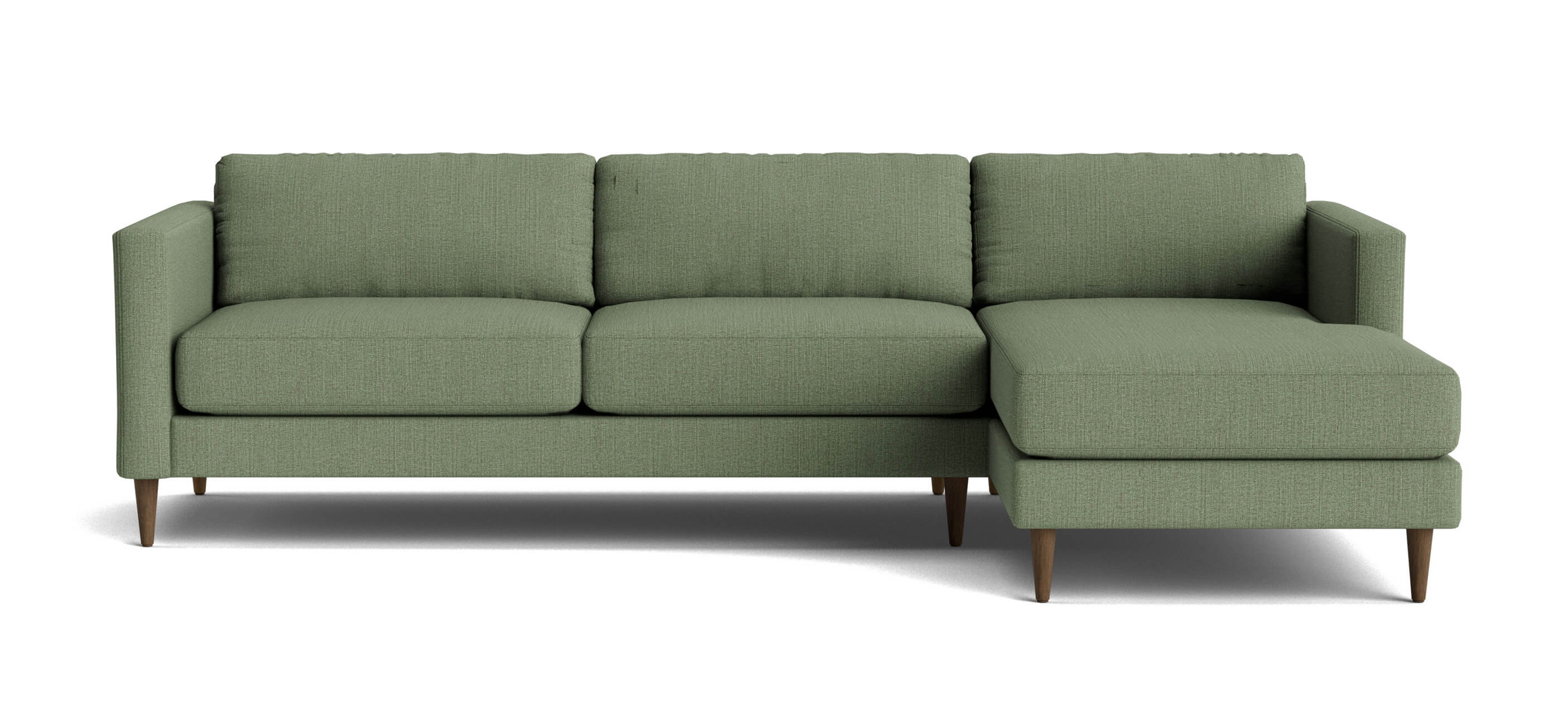
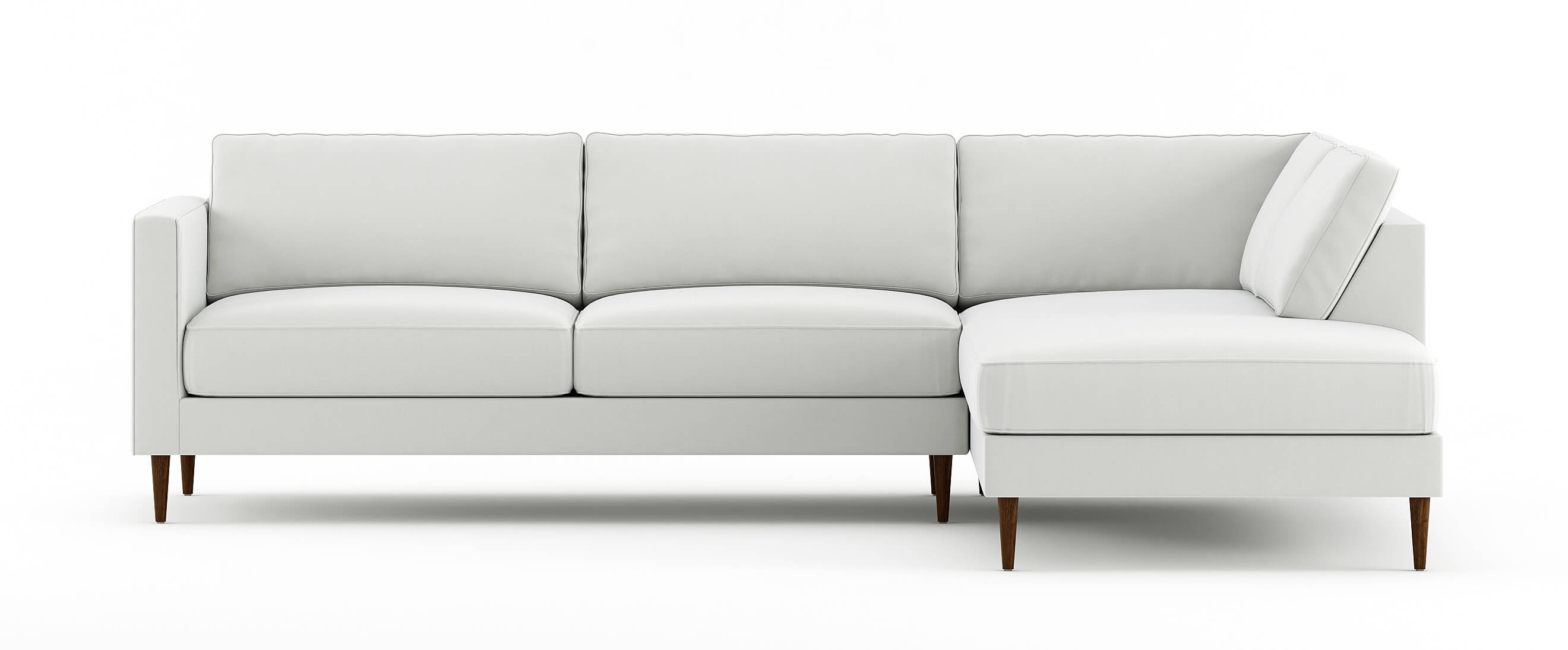
Upholstered sofa, sectional, accent chair, and bed frames are constructed with a blend of solid wood and engineered hardwood for optimal stability and durability. Our furniture frames are corner blocked for additional strength and backed by a lifetime warranty against cracking, breaking, or warping.
 Dining chairs and exposed wood accent chairs feature only solid wood frames, showcasing the natural beauty and strength of the material. We use Domino joinery, a modern wood joint system resulting in exceptionally tough, consistent strength.
Storage furniture like credenzas and media cabinets combine solid wood construction with CARB 2 compliant, low-VOC engineered hardwood for unseen panels and drawer bottoms. Engineered hardwood is strong, lightweight, and smooth, making it ideal for interior components while keeping these sturdy pieces easier to move and place in your home.

Wood products and your health
When it comes to indoor air quality, not all wood products are created equal. As we discussed above, many modern wood pieces are manufactured with plywood using formaldehyde-based adhesives, which can off-gas into your home's air over time.
Are any finishes used on Medley's wood furniture?
We use different finishes across our wood collections to bring out natural beauty and to offer gentle protection against wear and tear.
Due to their heavier use, dining tables and chairs are finished with either a low VOC, matte, water-based finish, or a low VOC, semi-transparent, water-based stain finish. All other wood products are finished with a linseed oil based, certified 0% VOC finish.

What are VOCs and why should I care?
VOCs (volatile organic compounds) are chemicals that easily evaporate into air at room temperature. They're found in many modern building materials, paints, adhesives, and finishes, which, inevitably, also find their way into furniture. Common VOCs include formaldehyde, benzene, and toluene.
When VOCs evaporate into your home, they can cause health issues ranging from headaches and dizziness to respiratory irritation and, with long-term exposure to certain VOCs, more serious health concerns. This is why we at Medley make low VOC (or where possible, no VOC) choices when bringing our furniture to life.
How do I protect my wood furniture from everyday life?
We love the natural patina and character that comes with a well-used piece of wood furniture, but knowing how to keep wood dining tables, chairs, and storage furniture in tip-top shape extends their longevity for generations to come.
When spills happen, don’t panic, but do try to clean them up as soon as possible: the longer moisture sits on wood, the more likely it is to leave a mark. Wipe down your piece with a lightly damp rag (use water, always). If possible, wipe the whole surface to let the finish dry evenly.
Use coasters and placemats whenever you can, especially when you're setting down anything hot or damp, as natural wood is super sensitive to heat and moisture.
For details on long-term wood product care, feel free to check out our handy Materials Care page.
The Bottom Line
At the end of the day, great furniture always starts with great materials – and you deserve full transparency about what goes into the pieces you bring home! From FSC-certified domestic solid wood to durable low-VOC engineered products, every material choice we make reflects our commitment to quality, sustainability, and your health.
When you choose Medley furniture, you're choosing pieces built to last a lifetime, crafted from responsibly sourced materials, and designed with your wellbeing in mind. Win-win-win!




Leave a comment
All comments are moderated before being published.
This site is protected by hCaptcha and the hCaptcha Privacy Policy and Terms of Service apply.